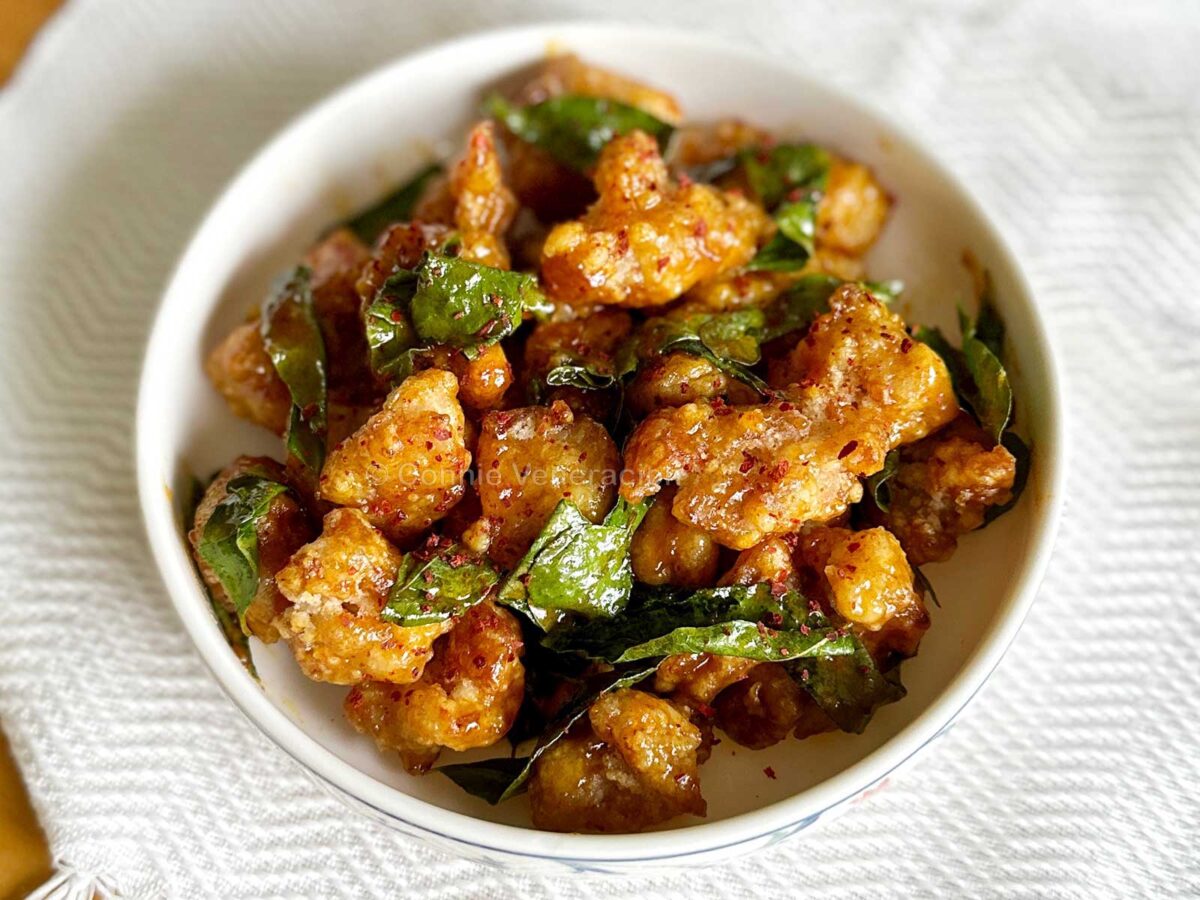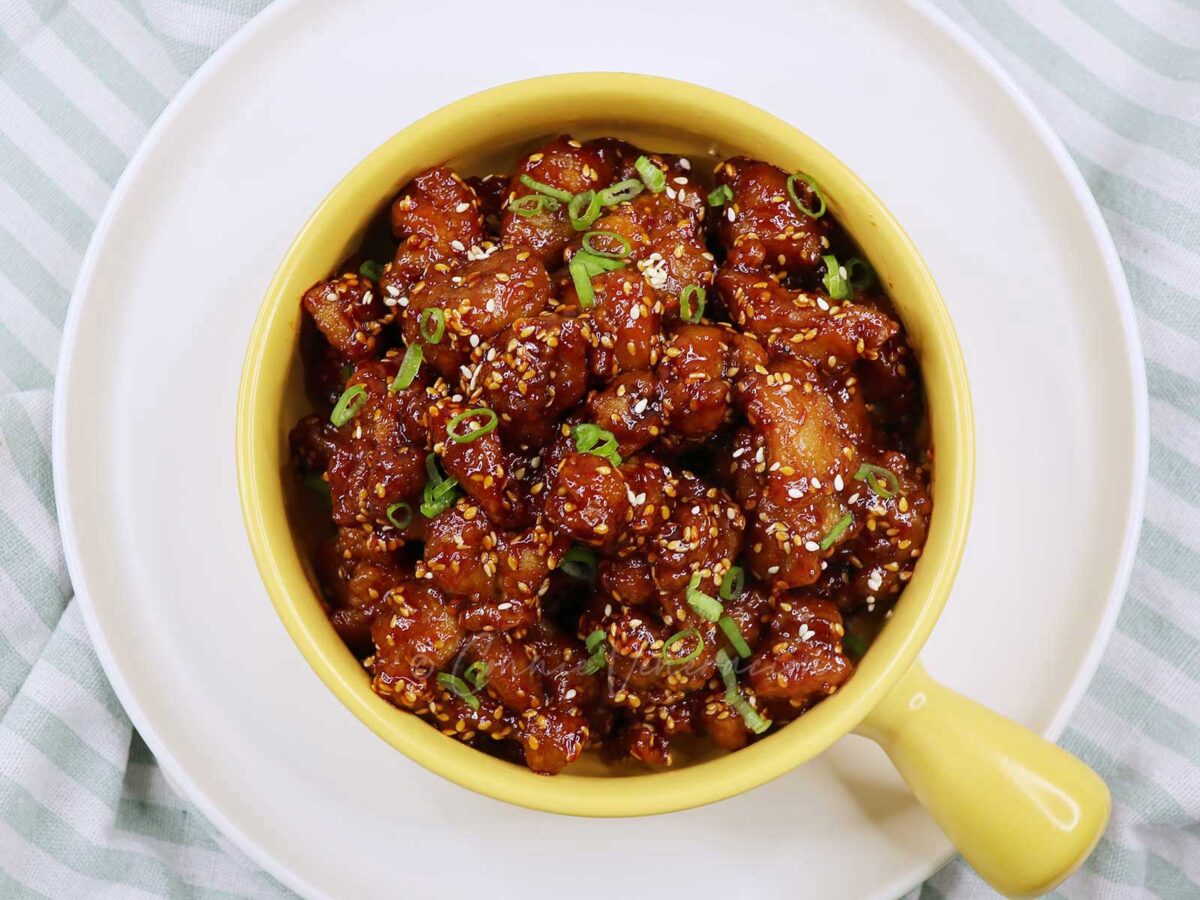
I haven’t met anyone who doesn’t like fried chicken. It’s comfort food, picnic food and even a special occasion dish. All cooks have their techniques and secrets. I have three:
- Choosing the right chicken cut
- Marinating
- Deep frying the chicken twice
Which cut is best for cooking fried chicken?
Let’s divide these into two categories: (1) the meaty parts and (2) the exception.
The meaty parts
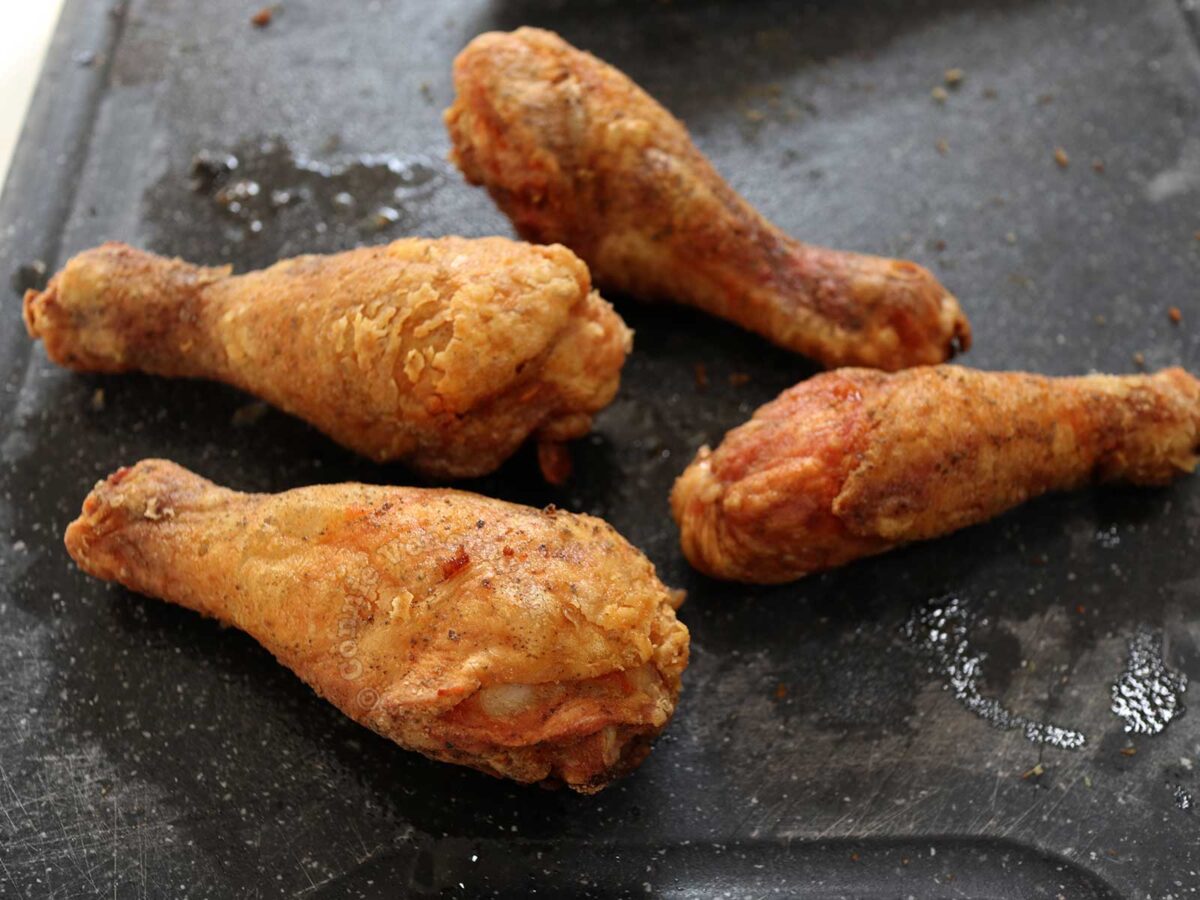
- Leg (drumstick)
- Thigh
- Breast
Personal preference plays a role here. Some people prefer white meat (breast); others prefer red meat (leg and thigh). My husband, younger daughter and I like red meat; our older daughter prefers white meat.
The exception
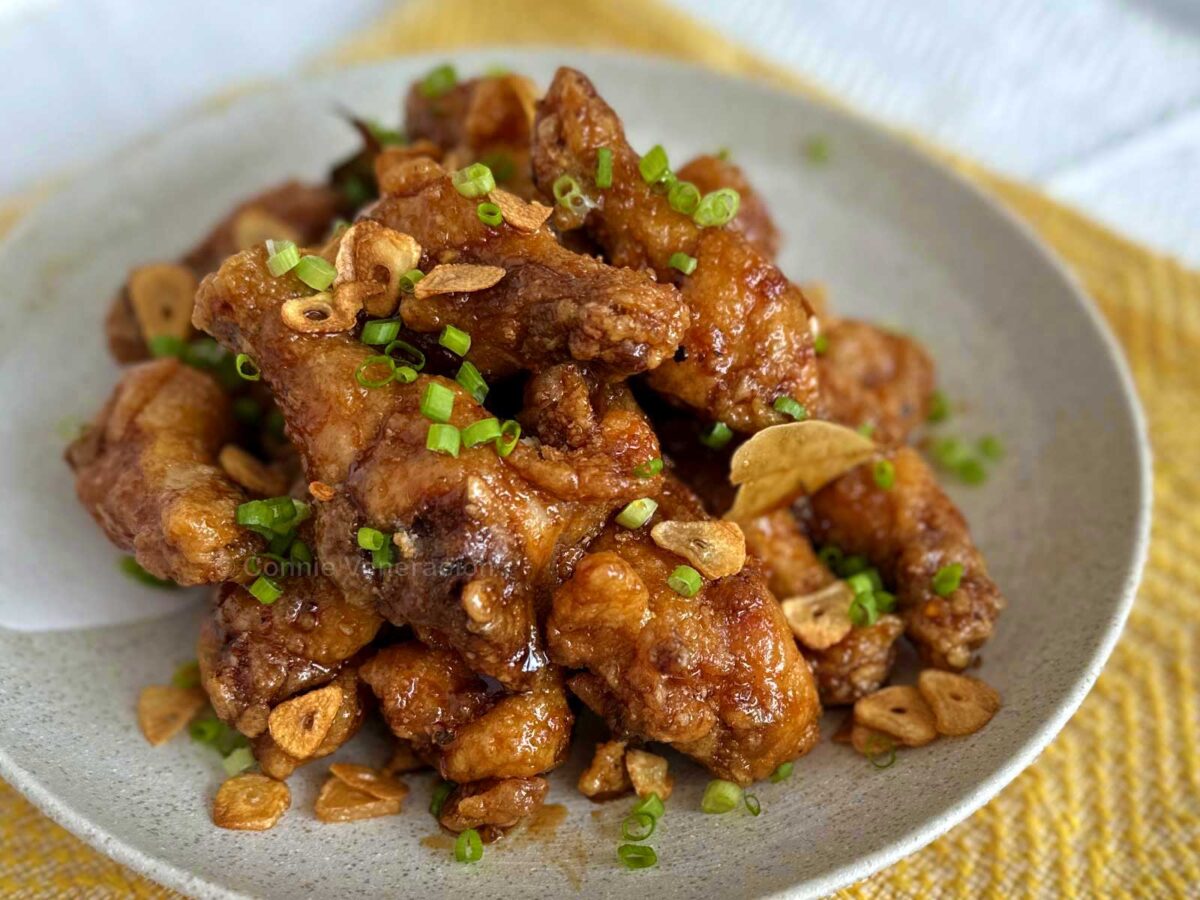
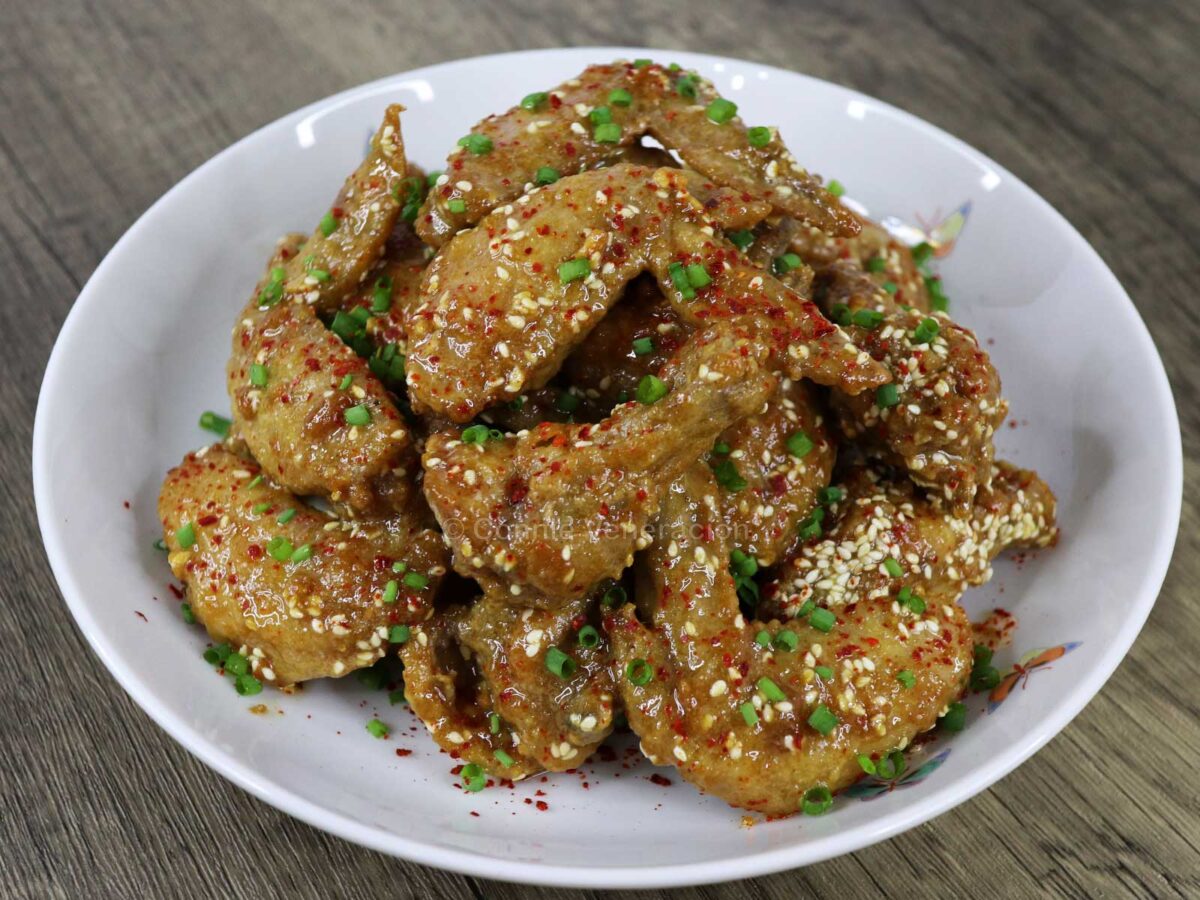
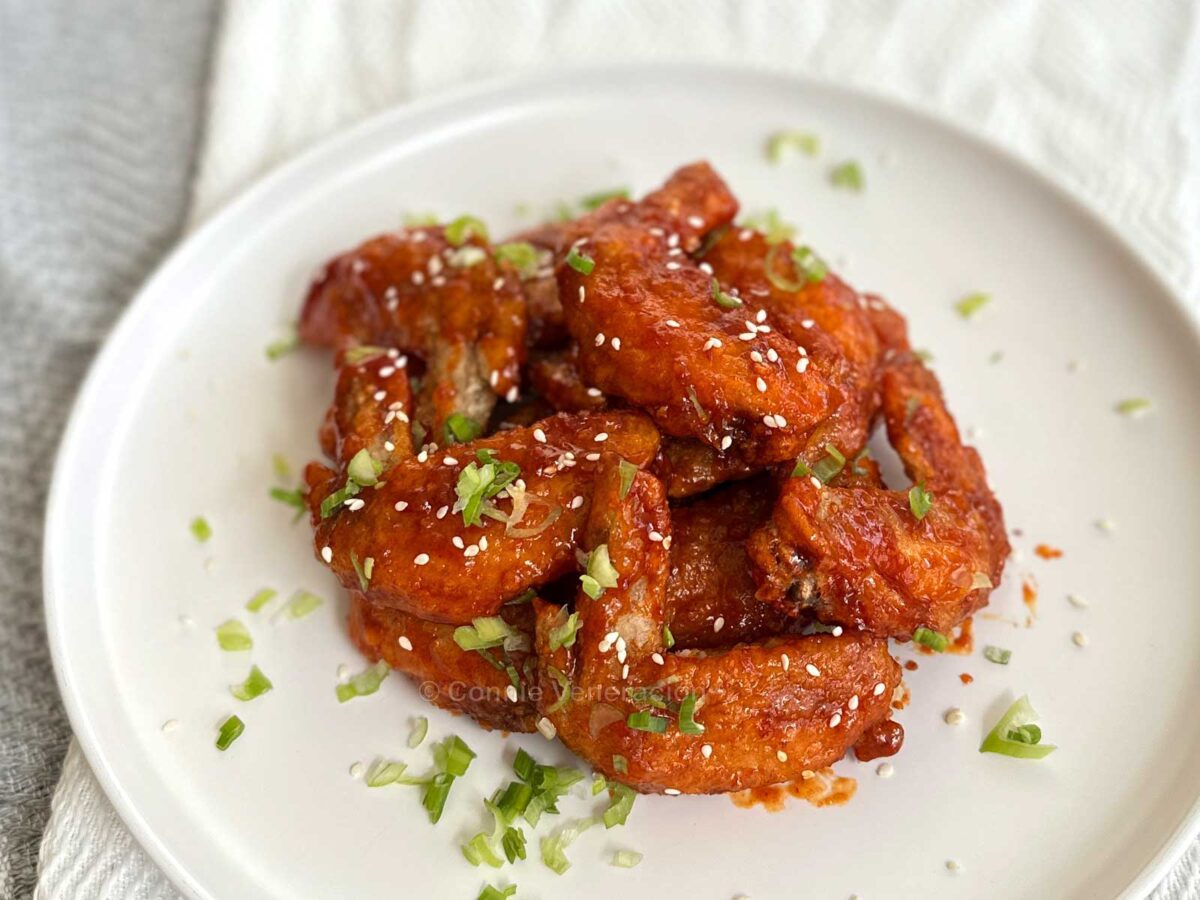
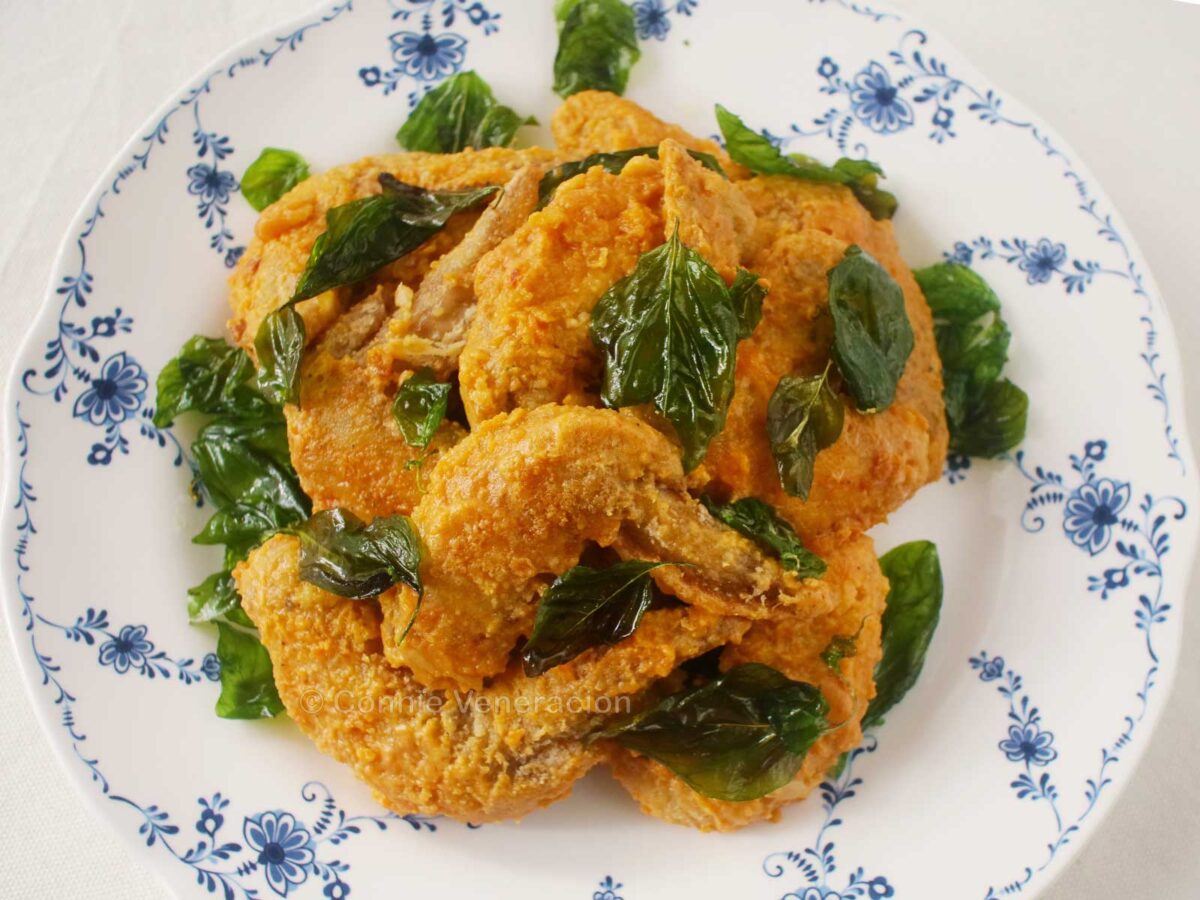
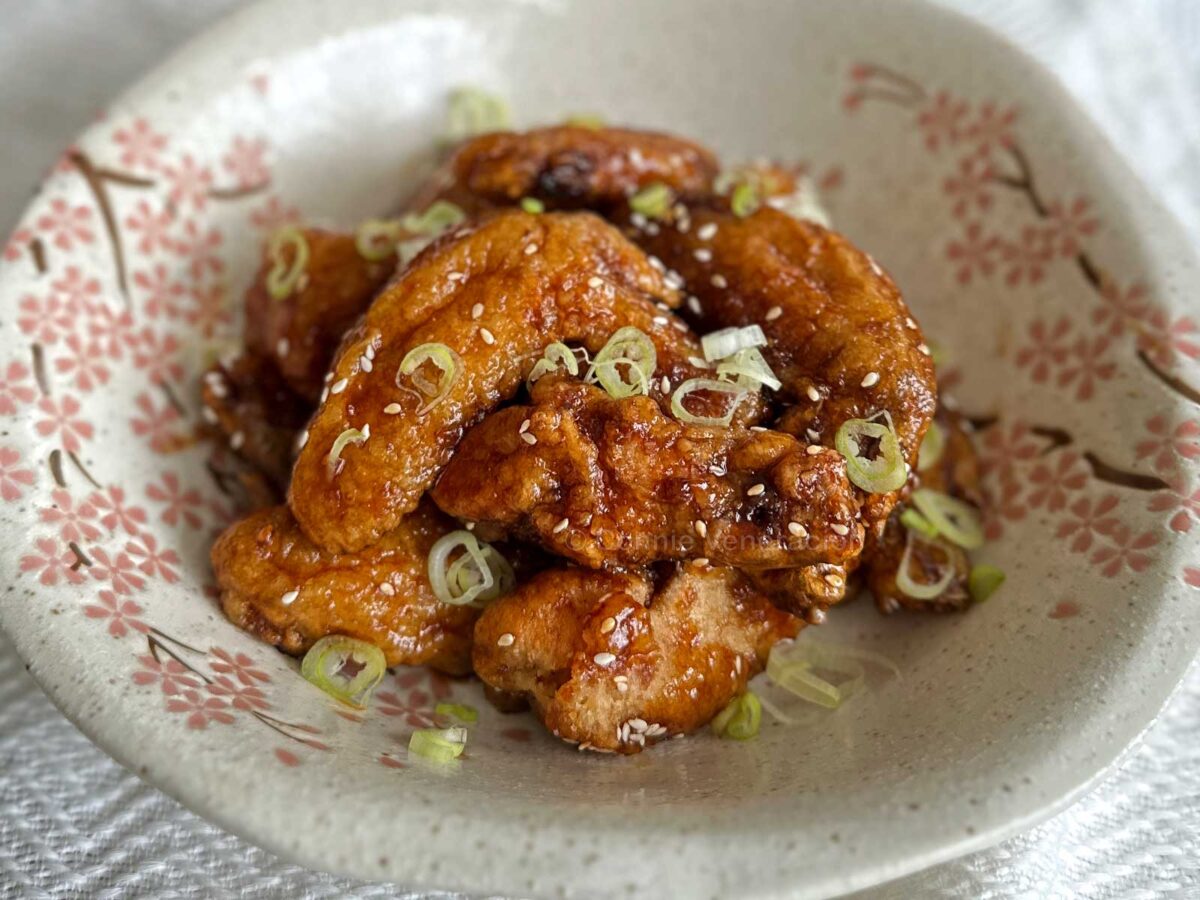
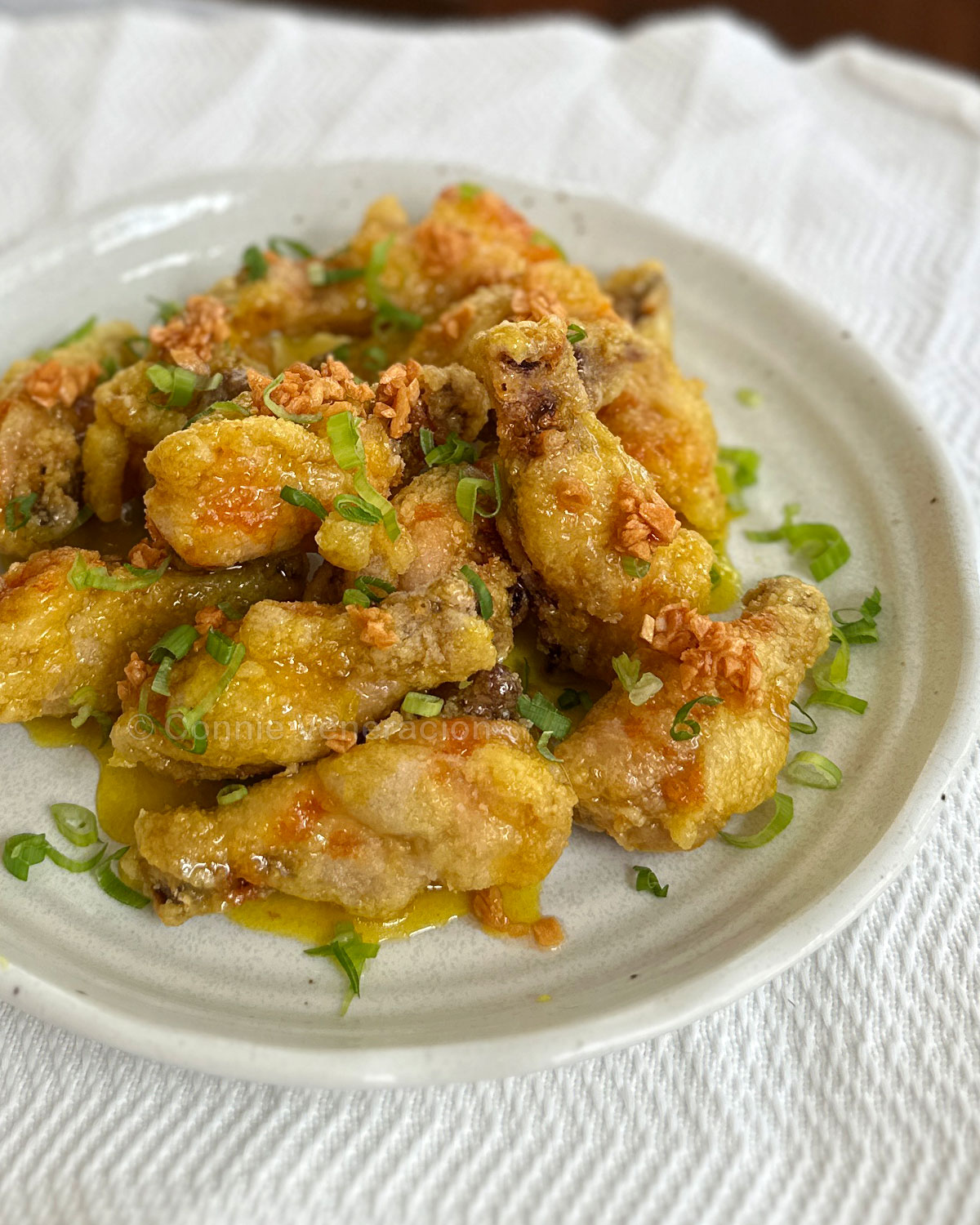
The only not-so-meaty part of the chicken that can be fried with optimum results is the wing which consists of the drumette, wingette and wingtip. It cooks fast and the ratio of meat to fatty skin is good. After frying, the meat is moist while the skin is ultra crisp. That’s what makes fried chicken wings so popular.
Marinating is a must
You know what? I dislike fried chicken that’s only seasoned on the exterior while the meat nearest the bone is bland like hospital food. I like my chicken meat to be seasoned inside and outside.
The seasoning is what gives the cooked fried chicken its flavor. Seasoning can be in the form of:
- A dry rub
- Liquid marinade
- A combination of liquid seasonings and solid ingredients such as herbs and spices
To make sure that the innermost portion of the meat absorbs the seasoning, you have to give the chicken TIME to soak up the flavors. That’s marinating.
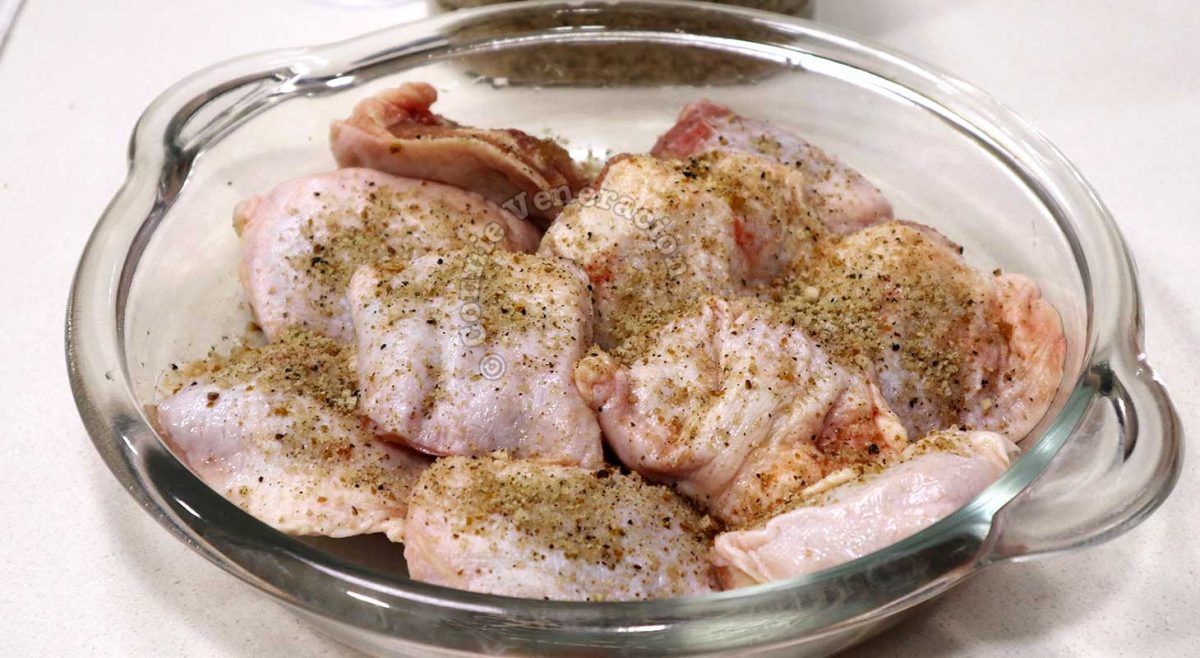
I’ve read all the arguments about salt or acid (in the form of vinegar or citrus juice) in the marinade ruining the natural moistness of chicken meat, but I will stand by my standard that marinating is a must. How long the marinating time should be depends on the thickness of the meat of the chicken part you’re using. Wingettes will require less time than thighs, legs and breast.
Deep fry your chicken twice
I know that air frying is all the rage these days — has been for at least the last decade — but while air fryer fans and loyalists will swear that air fried is just as good as deep fried, I have to disagree.
Deep-frying is the ideal cooking method. Chicken pieces that can swim freely in a pool of oil means that every inch of the surface is in contact with hot oil. The entire surface browns evenly and the meat underneath it gets uniform amount of consistent heat.
But that doesn’t mean a restaurant-style deep fryer is essential. You just need a wide pan with a thick bottom — (1) wide because it allows you to cook more chicken pieces at a time and (2) thick bottom to prevent scorching especially if parts of the chicken touch the bottom of the pan.
Tip: Never overcrowd the pan. Fry your chicken in batches, if necessary, to prevent the oil temperature from dropping drastically then taking too long to rise to the correct temperature again.
First frying
Twice frying chicken is a technique born and perfected in Asia. That’s how Japanese chicken karaage and many modern Korean fried chicken dishes are cooked.
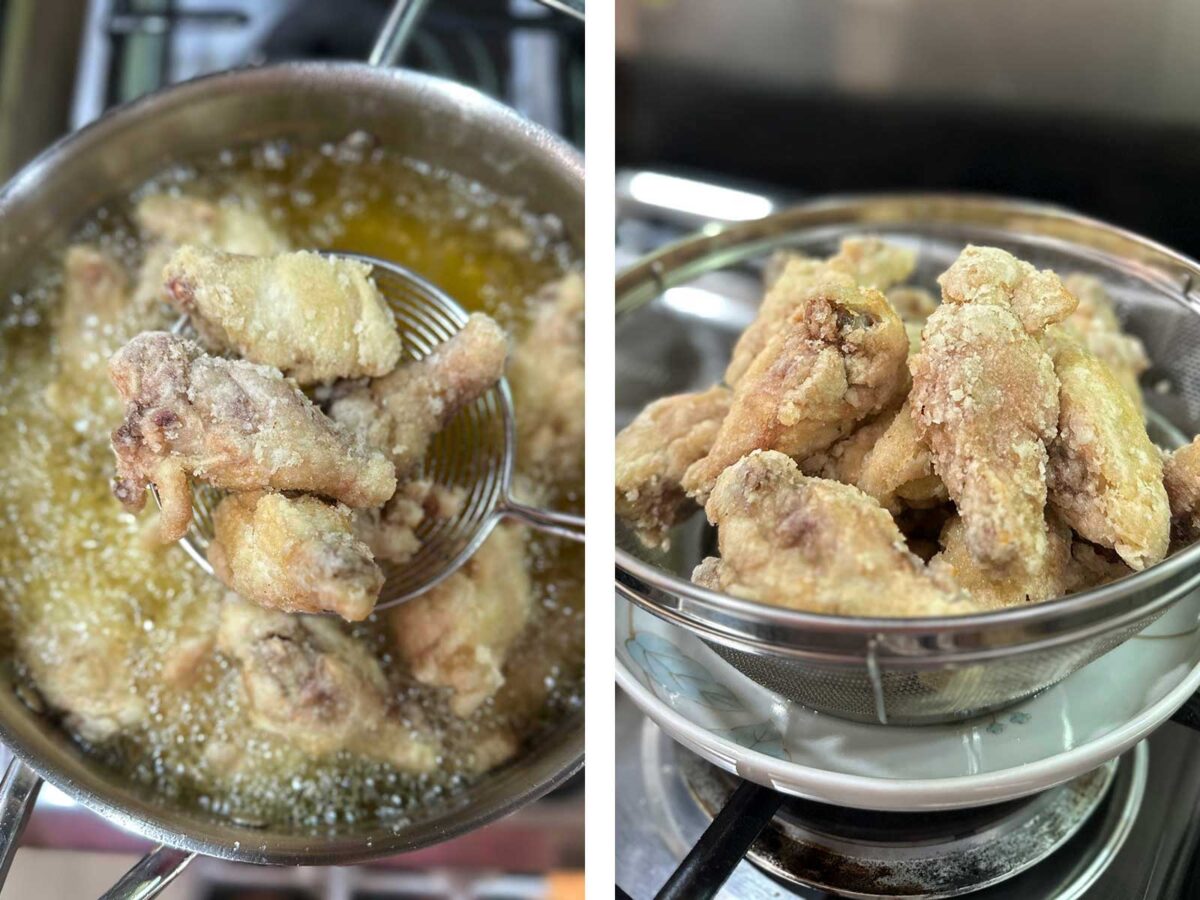
The first frying is done over medium heat (310F to 325F if using a thermometer). The goal here is to cook the chicken all the way to the bone. The chicken will look pale after the first frying but that’s how it should be. Just lay the chicken pieces on a rack or a strainer while you reheat the oil to a higher temperature.
Second frying
The second frying is shorter than the first frying. The chicken meat is already cooked and the goal here is simply to create a crisp crust.
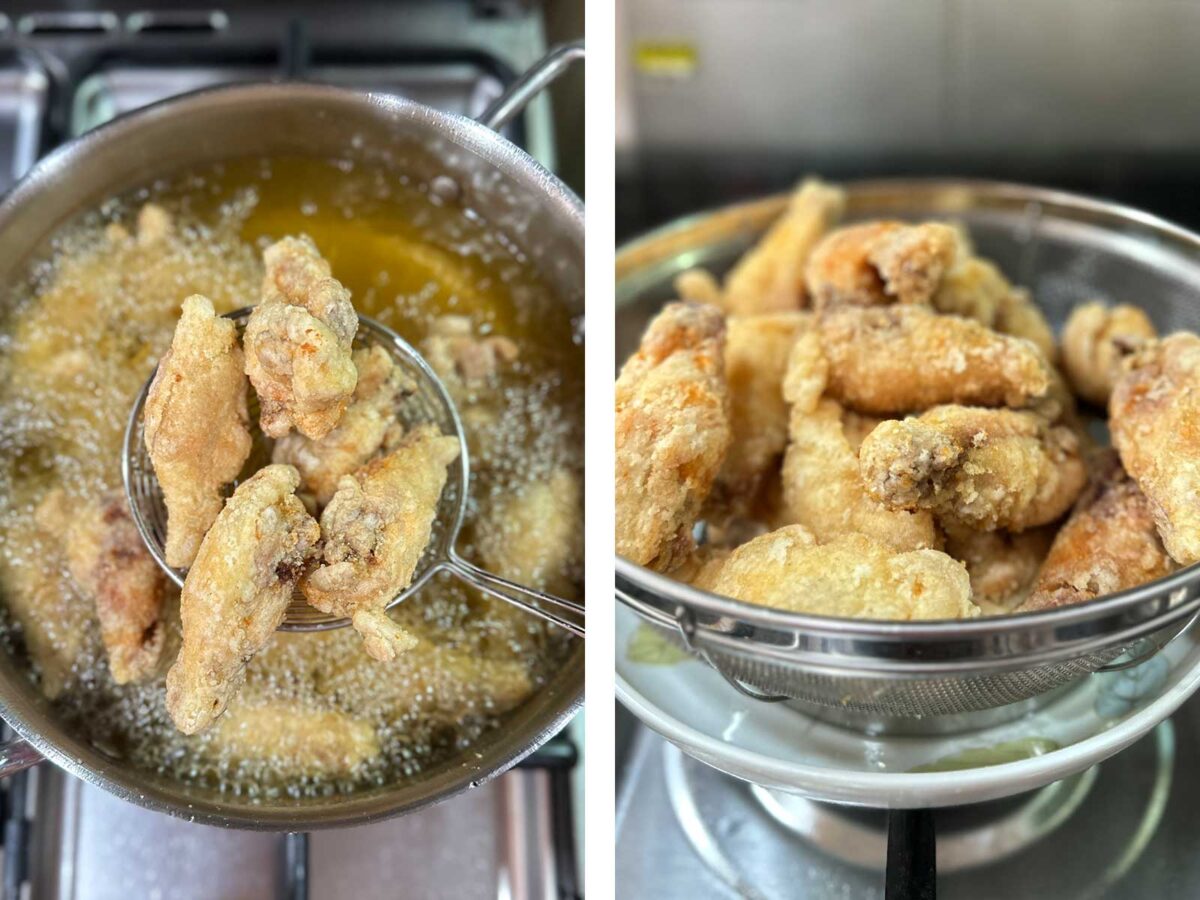
Crank up the heat to high so that the temperature of the oil in the pan reaches 350F to 375F. If you don’t use a thermometer, just watch out for fine wisps of smoke floating on the surface of the oil. Don’t wait until the oil is smoking profusely. You just need fine wisps. That’s the sign that you can dump in the chicken for the second frying. The intense heat of the oil browns the surface without giving the meat underneath a chance to get overcooked.
Is it necessary to dredge the chicken in flour / starch or coat it with batter before frying?
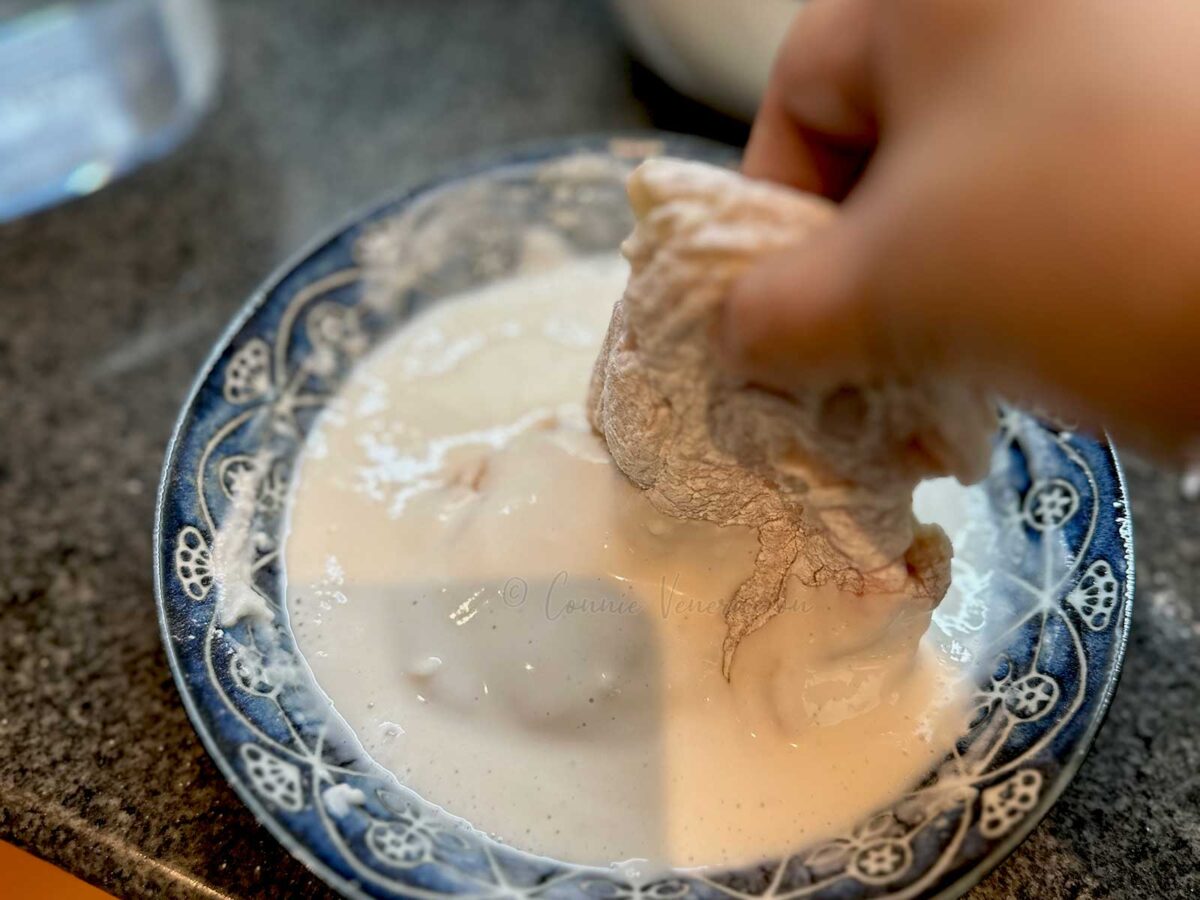
No. Flouring, coating in bread crumbs and dipping the chicken in batter are traditional in some regions but not a must. You can have delectable fried chicken with crispy skin without any of that. There’s Chinese fried chicken that’s first steamed to cook the meat through then fried to give both color and crisp. No flouring, no bread crumbs, no batter.
I am not a fan of batter for two reasons:
- The process of dipping the chicken in batter and lifting the dripping piece to slide it into a pan of hot oil can get extremely messy.
- Batter, especially if unseasoned, can dilute the flavors of even the most perfectly marinated chicken.
I stick with flouring to add an extra layer of crispness. A light dusting also helps prevent spatters because it creates a barrier between the moisture in the chicken meat and the hot oil.
I have tried dusting chicken in flour, cornstarch, a mixture of cornstarch and flour, and potato starch, and I have decided that potato starch works best. A light coat results in a feathery but incredibly crisp crust.
Does fried chicken need a sauce?
In my opinion, sauce — whether in the form of a glaze or a gravy — is optional. That might sound like sacrilege for people who believe that fried chicken and gravy belong together, but seriously… Truly good fried chicken should be delicious by itself and NOT dependent on sauces. If the fried chicken tastes flat unless doused with ketchup, for instance, then, it’s not good fried chicken at all.
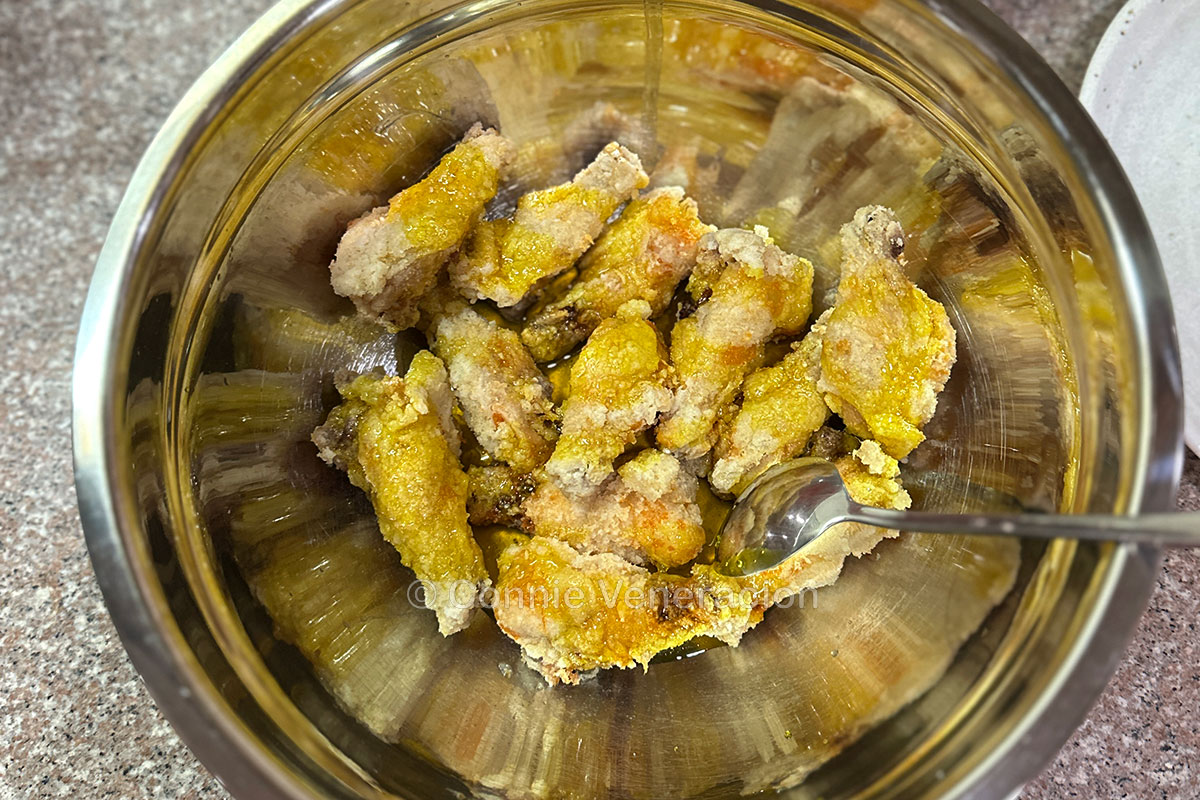
There are times, however, when a wisp of glaze or a little sauce on the side can enhance the fried chicken experience. That means the glaze or sauce must be good by themselves and not used to hide badly seasoned or disastrously cooked chicken.
Personally, I prefer glaze over gravy. When used correctly, glaze can make fried chicken look and taste better. By itself, fried chicken is just browned meat. But add a glossy glaze and the appearance is transformed. The glaze also adds another layer of flavor.
How is glaze used correctly? In my cooking wiki, that means the glaze should be thick enough to coat the chicken but thin enough to leave the real texture of the chicken visible.
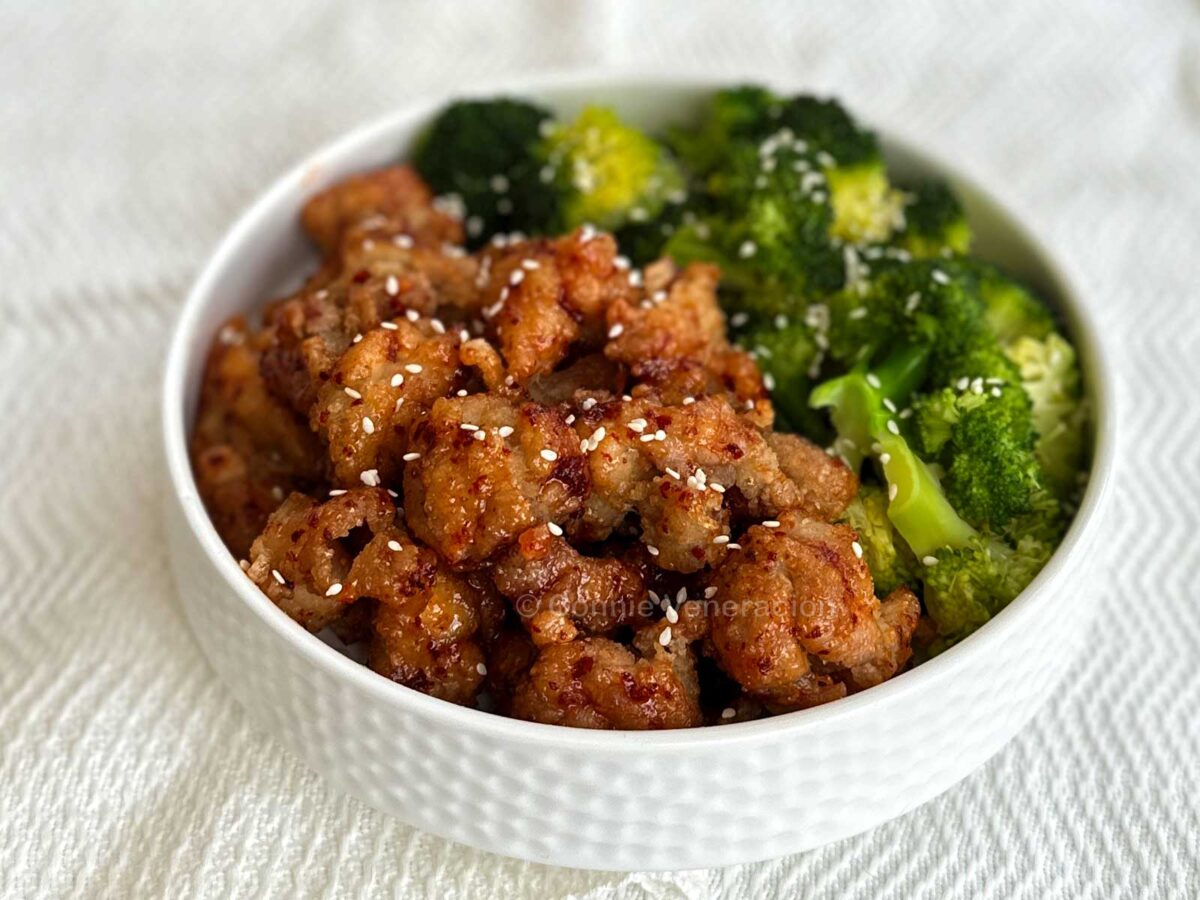
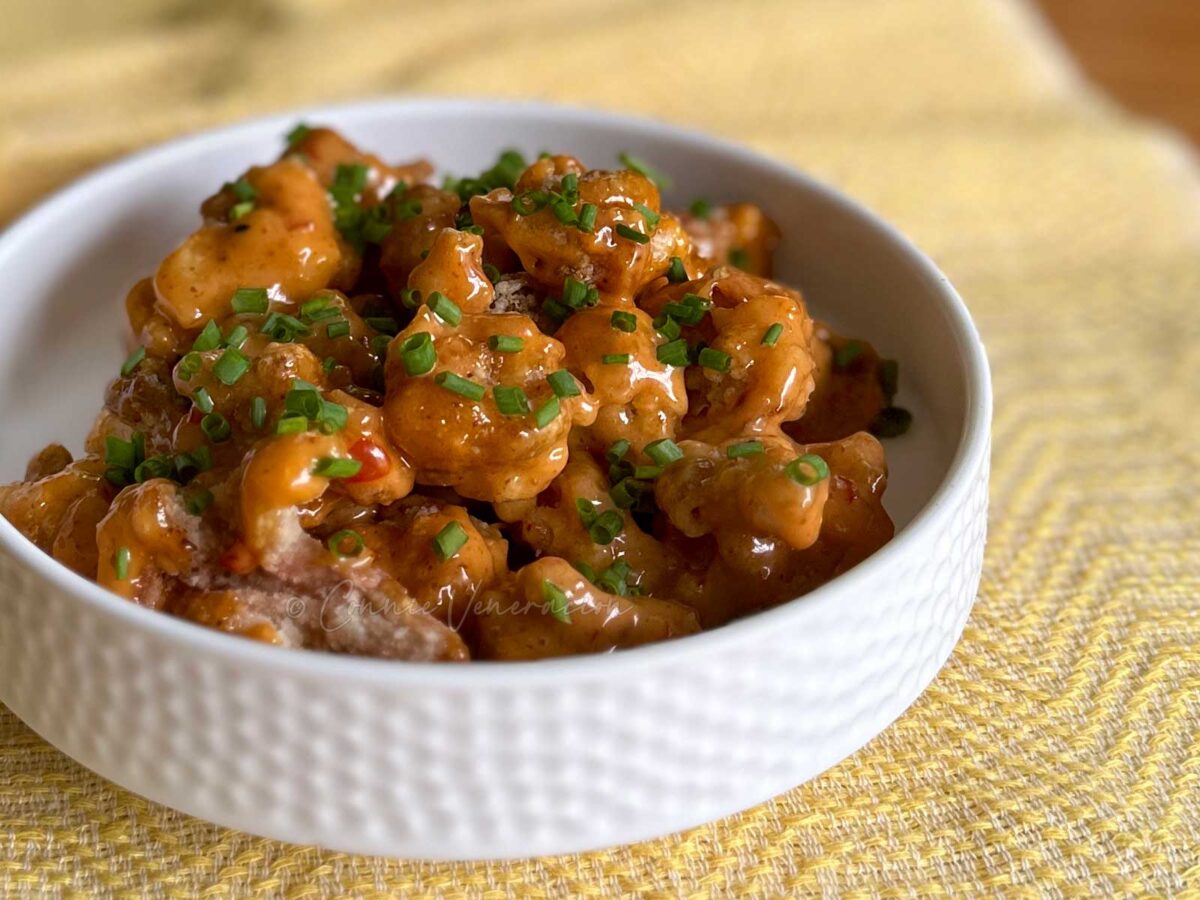
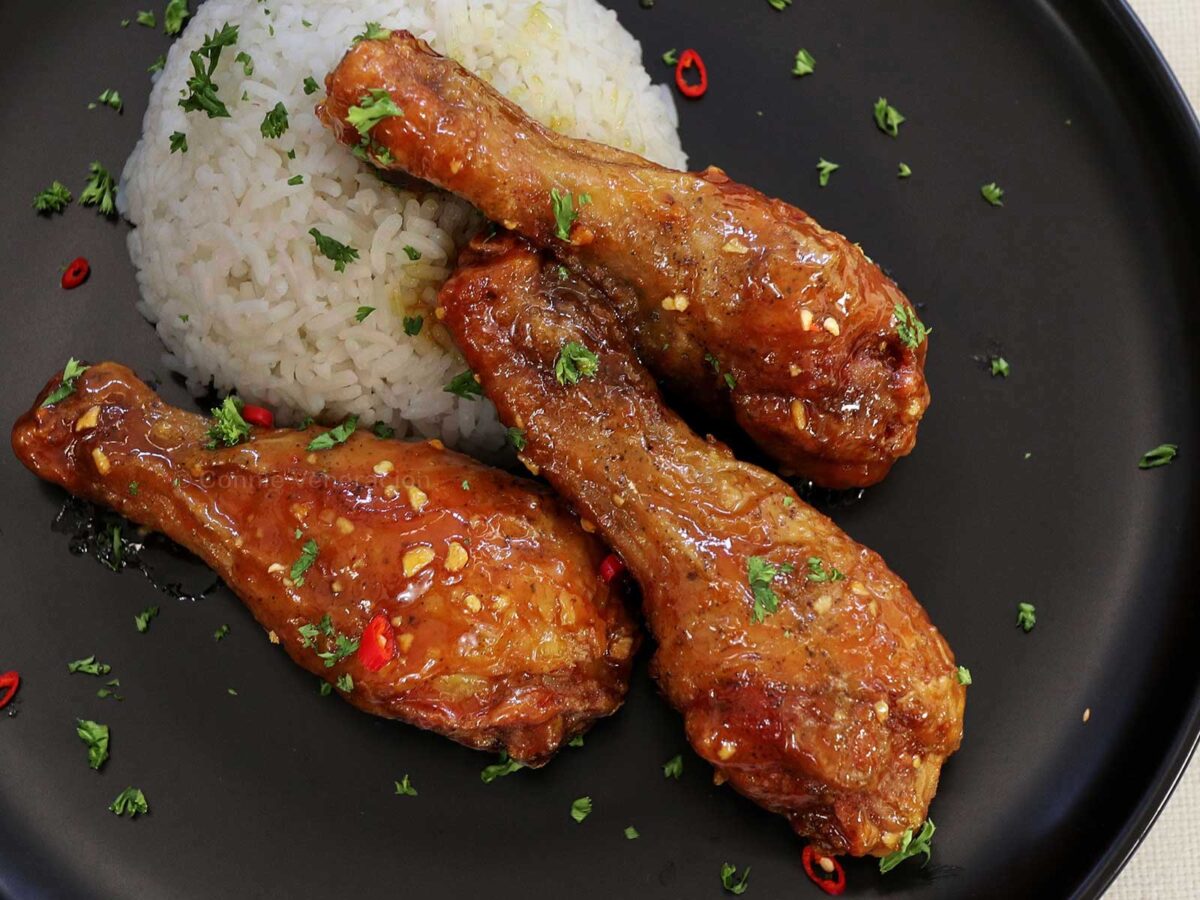
Twice-fried and glazed fried chicken recipes