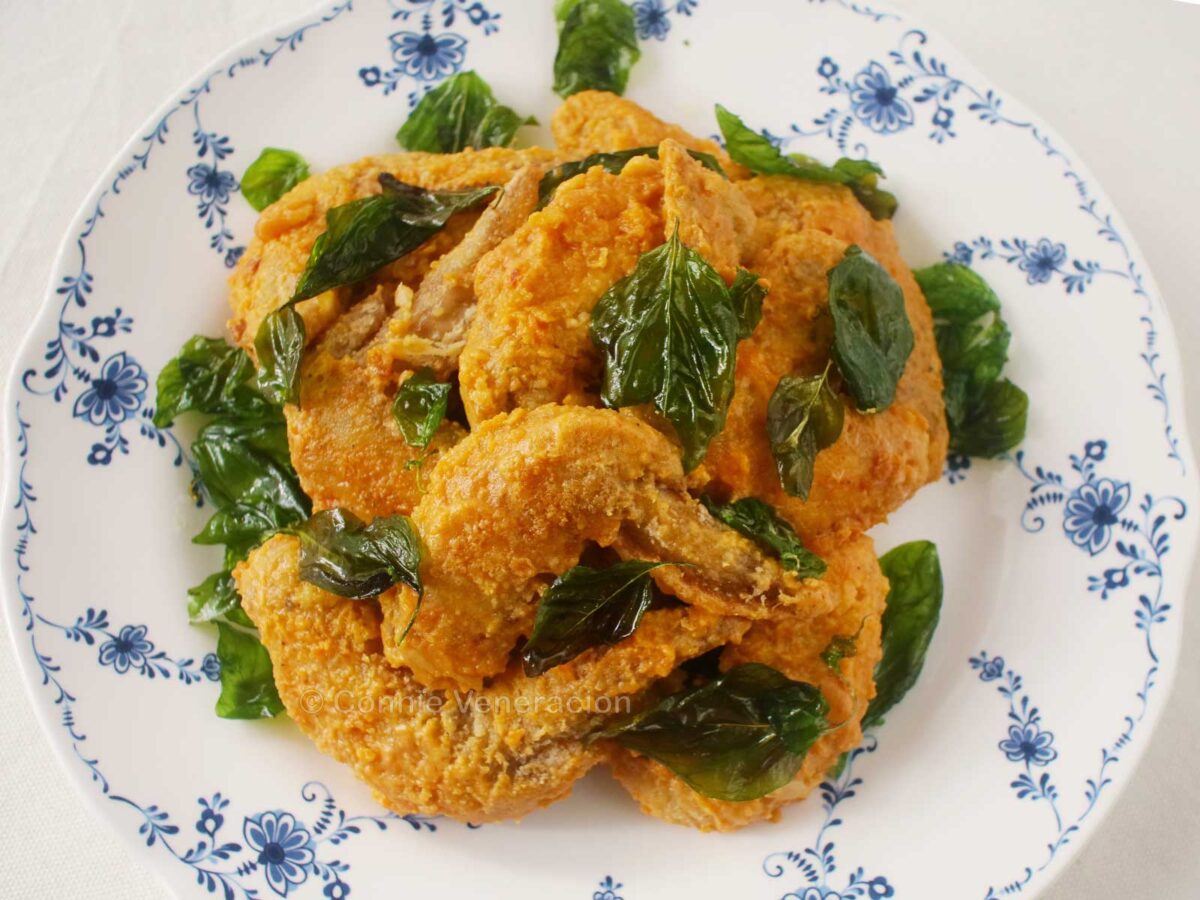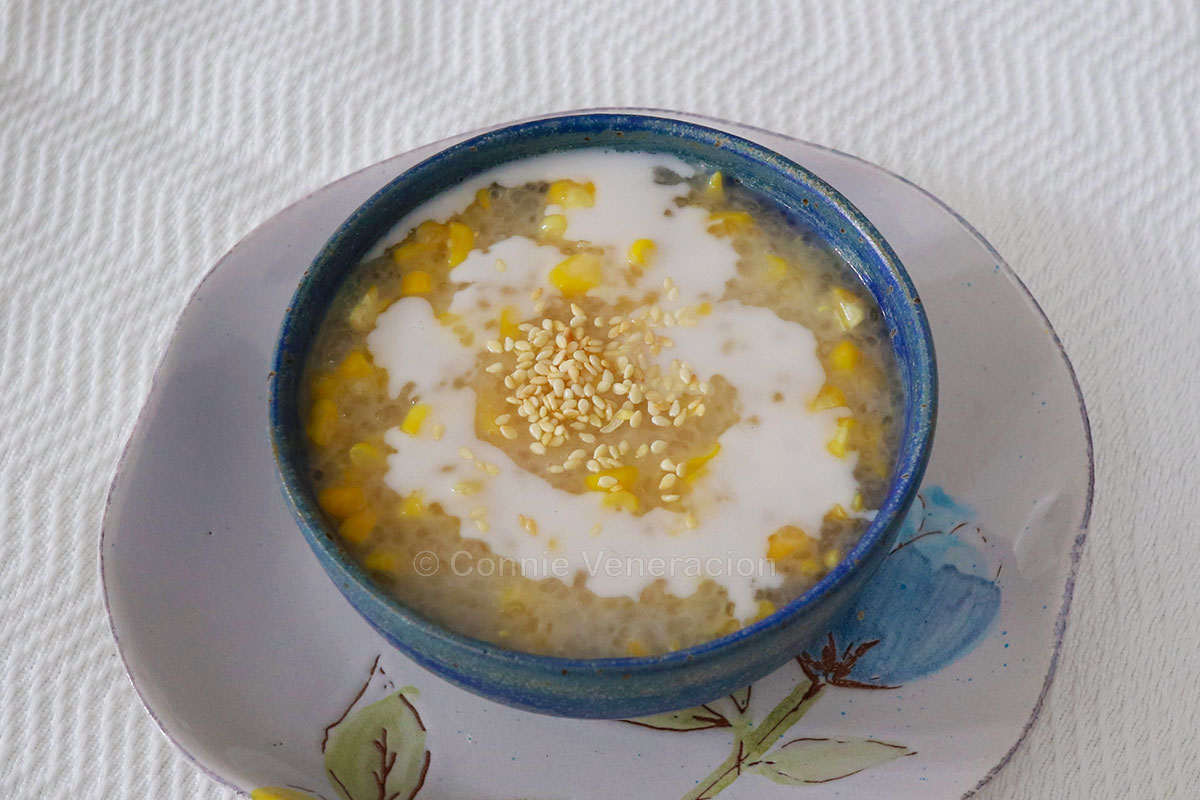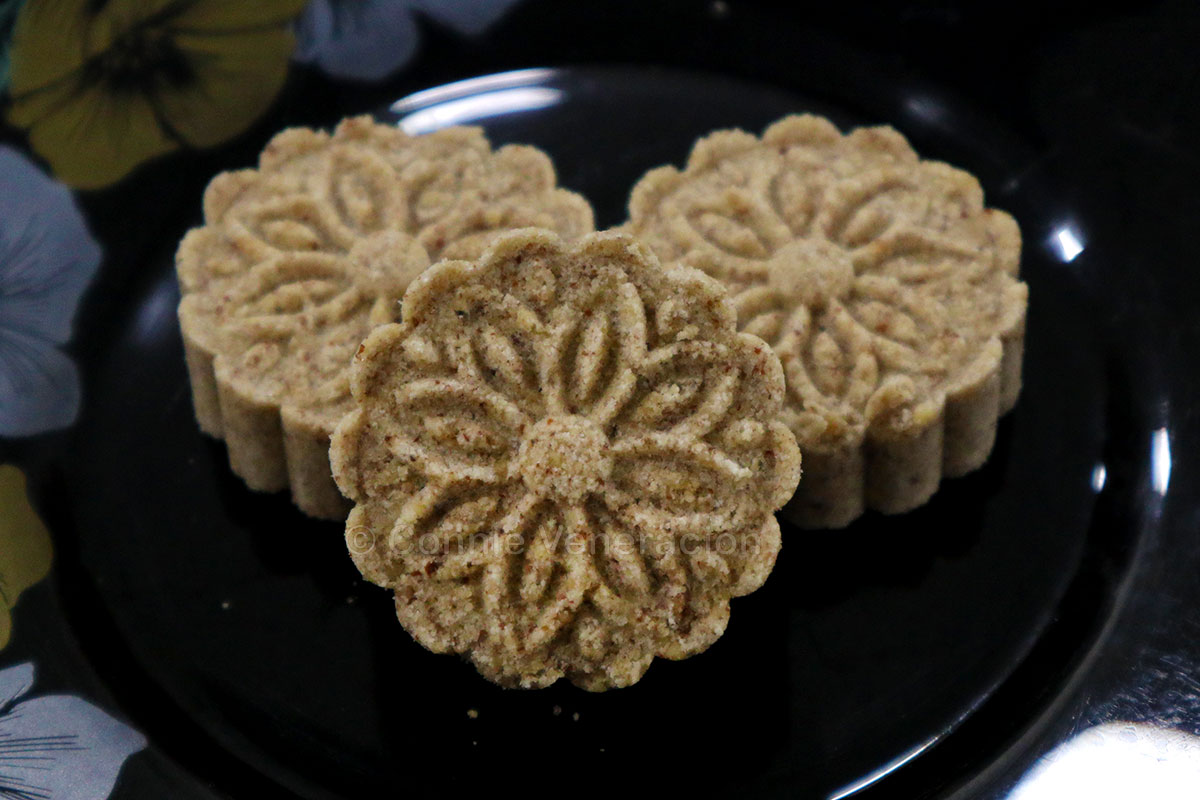
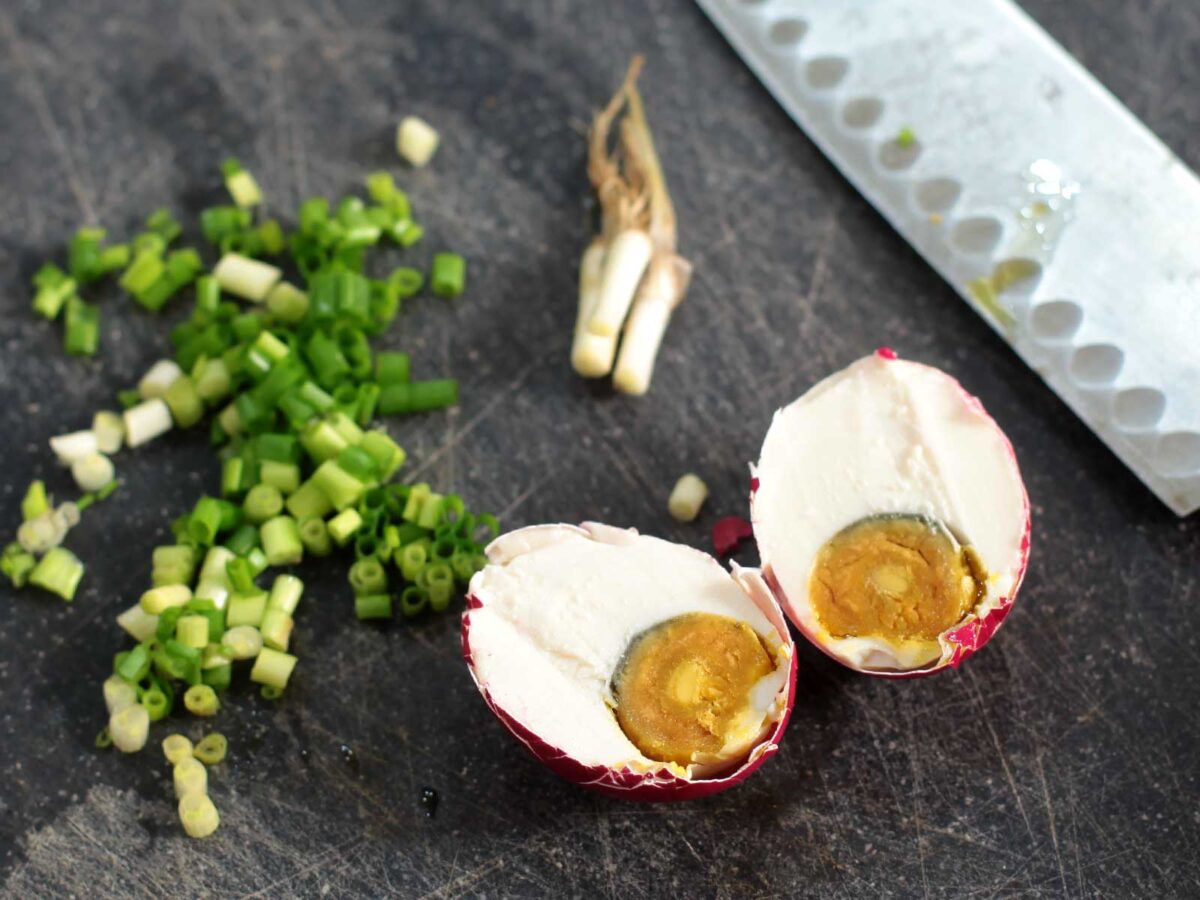
A decade ago, a new generation of Southeast Asian cooks and foodies went crazy with salted eggs. About time, I thought. Long before salted eggs became a food fad, I had been experimenting by including them in savory dishes. But there are food purveyors today who have successfully integrated salted eggs in sweets and desserts.
Amazing, isn’t it, how the lowly salted egg, once relegated among the common and unexciting, has become a prized ingredient for overpriced dishes. But what are salted eggs, exactly?
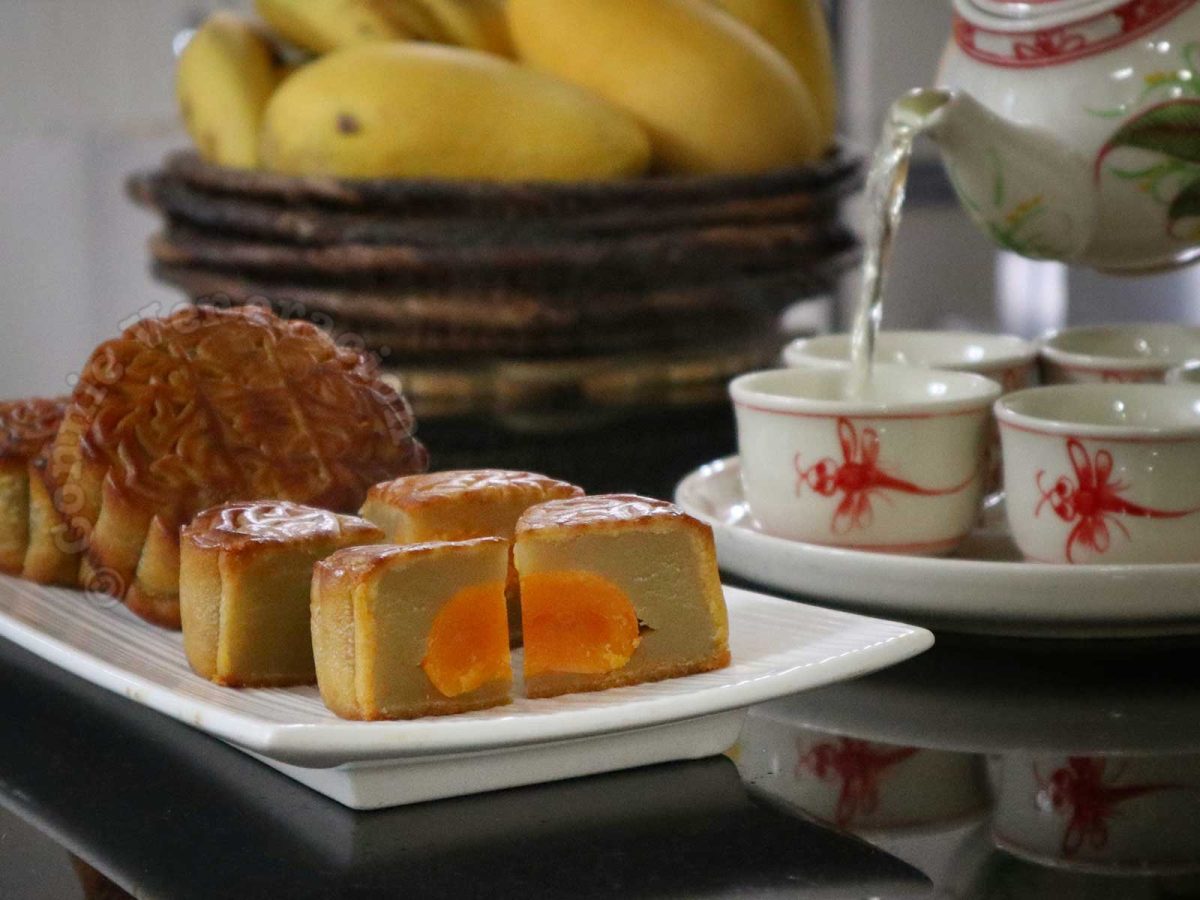
Making salted eggs came from the Chinese and they’ve been making them since the sixth century. The process involves soaking boiled or steamed eggs in brine for 20 to 30 days (sometimes longer). After brining, the salt has sufficiently seeped through the egg shells. The egg white is salty and not as chewy as regular boiled eggs. But it is the yolk that takes center stage. The color deepens, there is a complex flavor and, if the brining is correct, rather oily. Umami to the max.
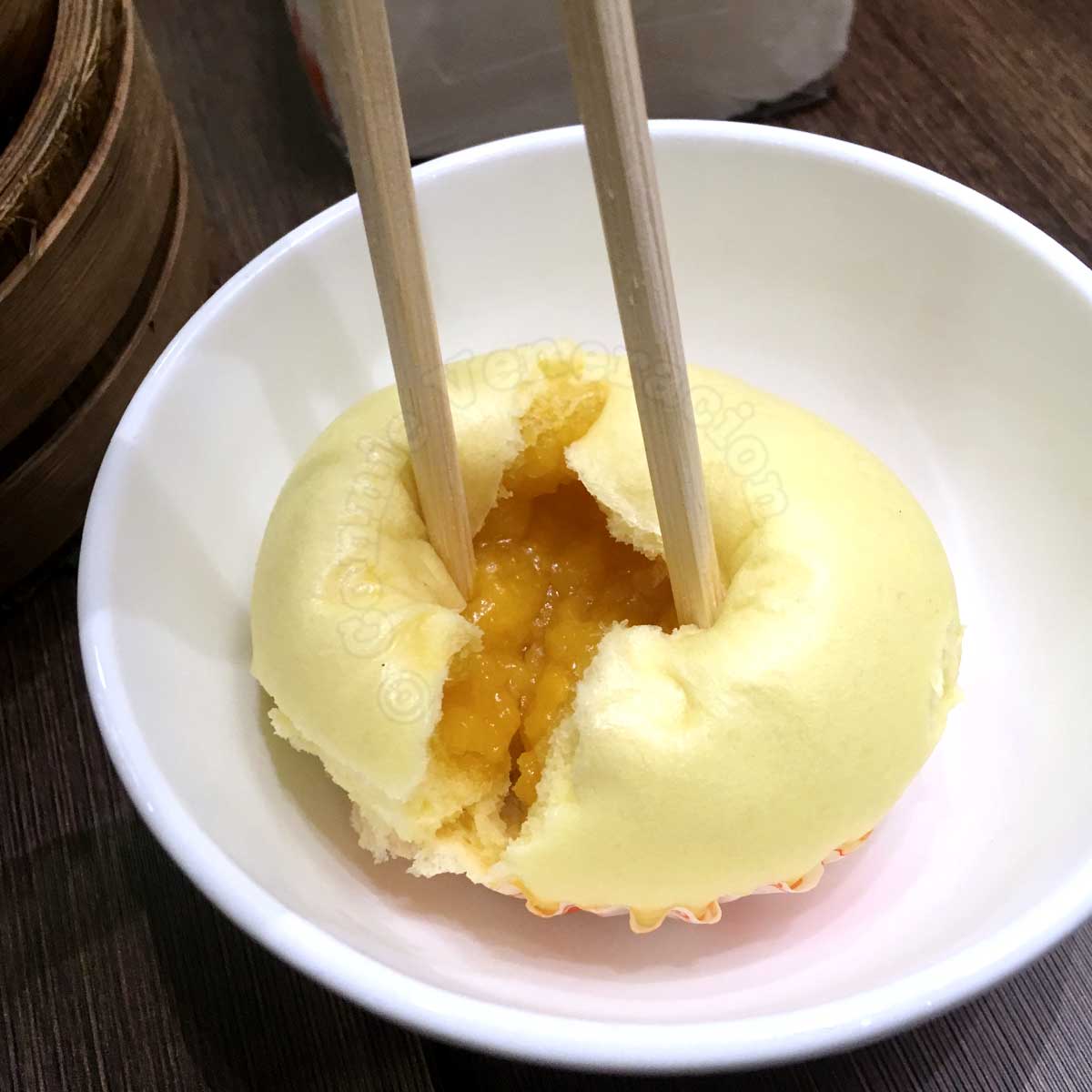
If you’re familiar with the history of how Chinese settlers brought their cuisines all over Asia, you’ll understand how salted duck eggs were adapted into Singaporean, Malaysian, Vietnamese, Burmese, Thai, Indonesian and Filipino cuisines although brining methods differ.
In the Philippines, making and eating salted eggs predates the arrival of the Spaniards. Traditionally, mallard duck eggs, the same kind used for making balut and penoy, are used for making salted eggs.
Salted duck eggs with red shell
Salted eggs are sold cooked — hard-boiled to be more precise. The red color of the shells isn’t natural, of course. The shells are dyed to distinguish them from fresh eggs. In wet markets, salted eggs are sold side by side with fresh eggs so imagine if the vendor gets a little confused and gives you salted eggs when, in fact, you intended to buy fresh ones.
If you’re a Filipino living abroad and salted eggs are not easily obtainable in your area, making them at home seems to be easy enough. But if you’re after the oily yolk which can be pounded into a paste to cook various dishes, you’ll be relieved to know that salted duck egg is available in paste and powder form. Convenient, delicious and you won’t have to think about what to do with the egg whites.
Salted egg yolk paste
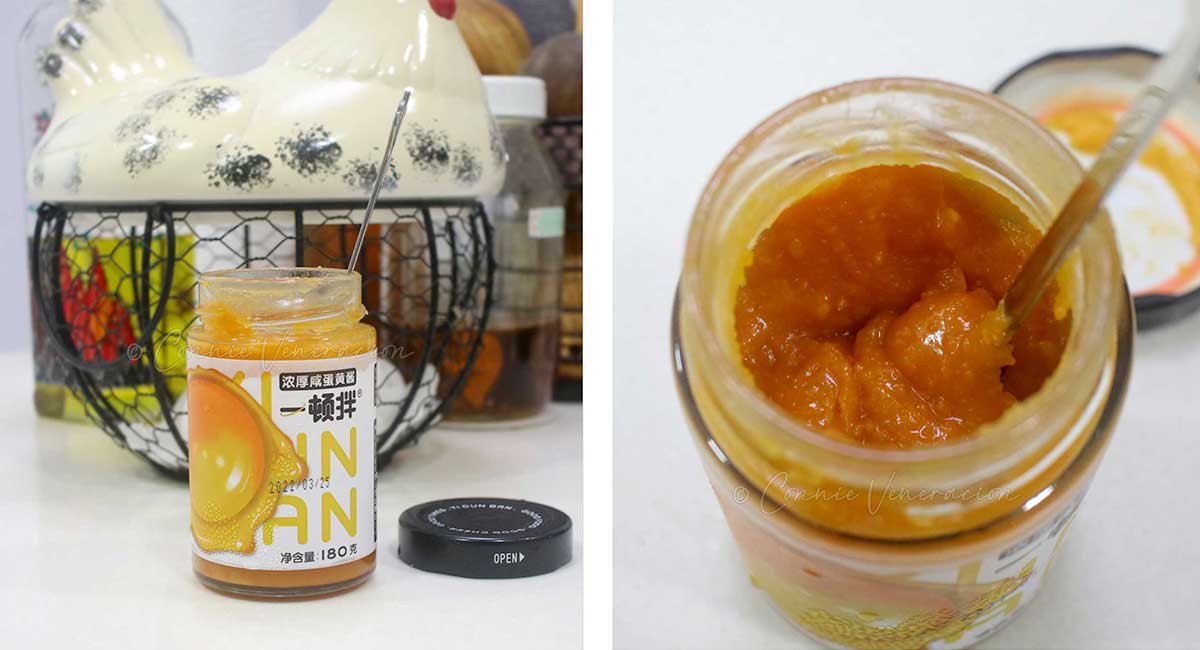
It’s ready to use. Just unscrew the jar, scoop out and add to the dish you’re cooking. Rich, potent, indulgent. A little goes a long way. Remember to keep the jar in the fridge once opened.
Salted egg seasoning powder
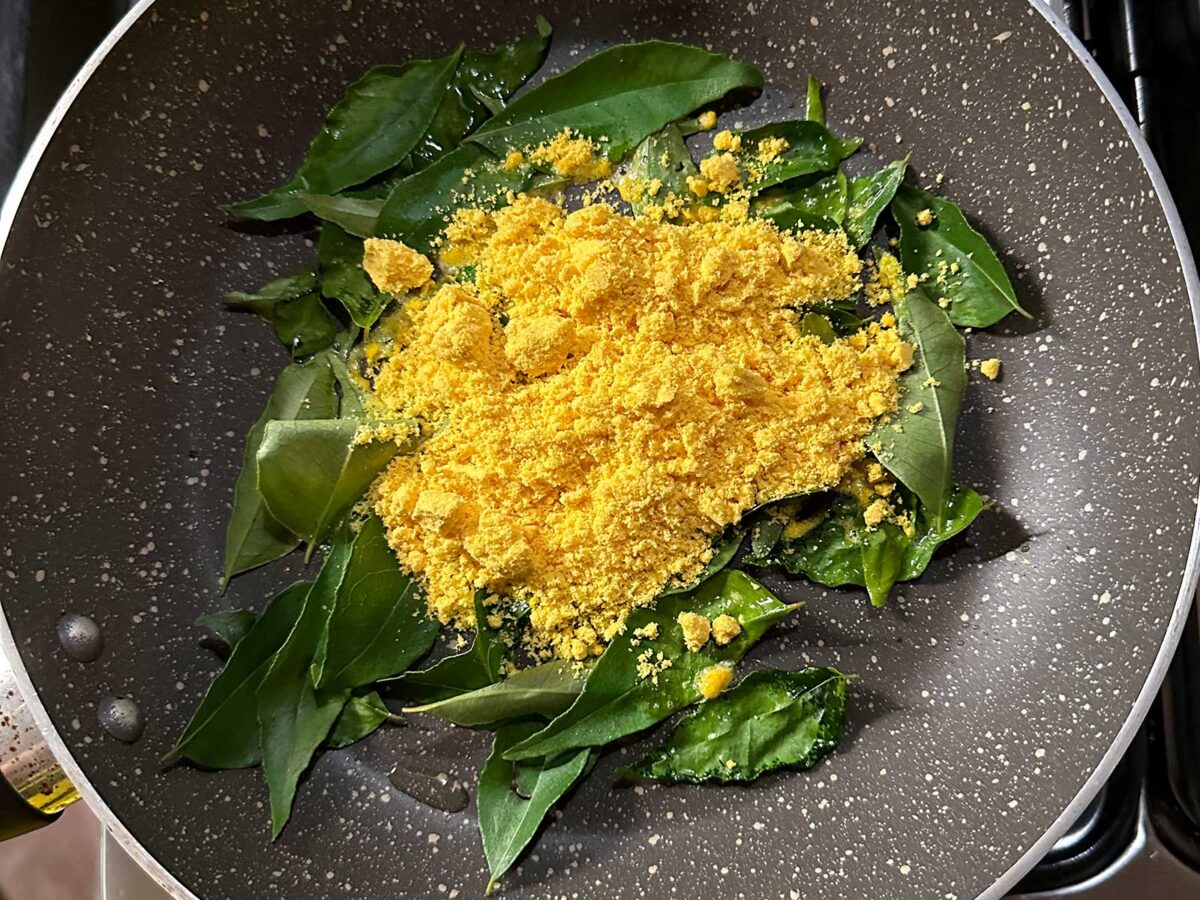
It is seasoning powder sold in pouches. Saltier than the egg yolk paste in jar. The overall flavor varies from brand to brand, and some are actually quite sweet. Read the label on the pouch before buying. Once opened, transfer the contents of the pouch to a jar and keep in the fridge.
How I’ve used salted egg, paste and powder in my recipes