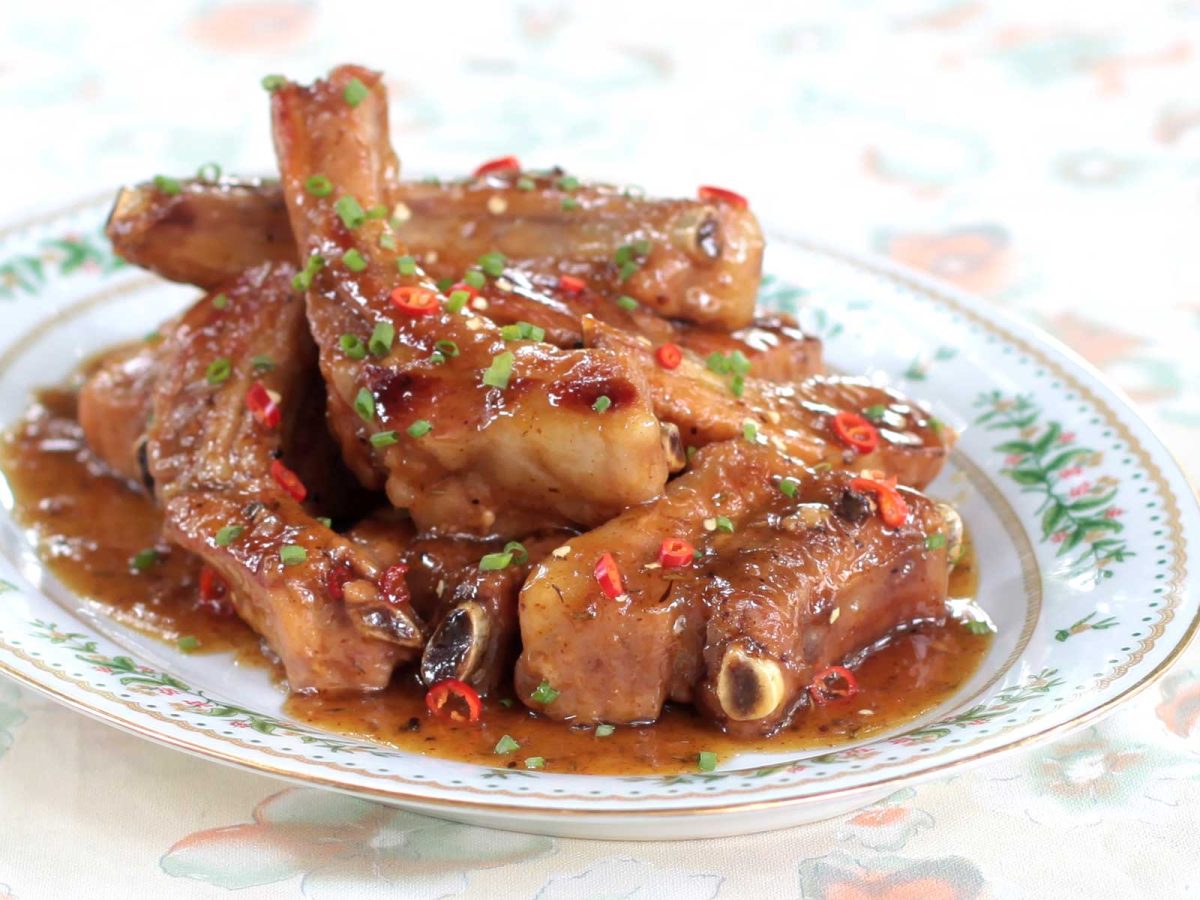
The thoughtful answer would be: it depends on how the ribs are meant to be cooked. Most associate pork ribs with the grill / smoker but, really, they are more versatile than that. They can be roasted, braised, stewed or cooked into a soup dish.
For grilling or roasting, I prefer spare ribs over baby back ribs. Come to think of it, I’ve been a spare ribs barbecue girl from the first time my father came home with a rack of bony meat that he seasoned and threw on the grill. I must have been in the first or second grade. I learned the name of the pork cut cooking over glowing charcoals and I’ve never forgotten. I’ll never forget either the tender and fatty meat that slid off the bone without resistance.

Ribs. Spare ribs. Oily, juicy, splendid.
I wouldn’t make the acquaintance of grilled / roasted baby back ribs until years later. And I rarely found them quite as satisfying as spare ribs. It has nothing to do with nostalgia as I am not a sentimental person. It has to do with meat / fat ratio.
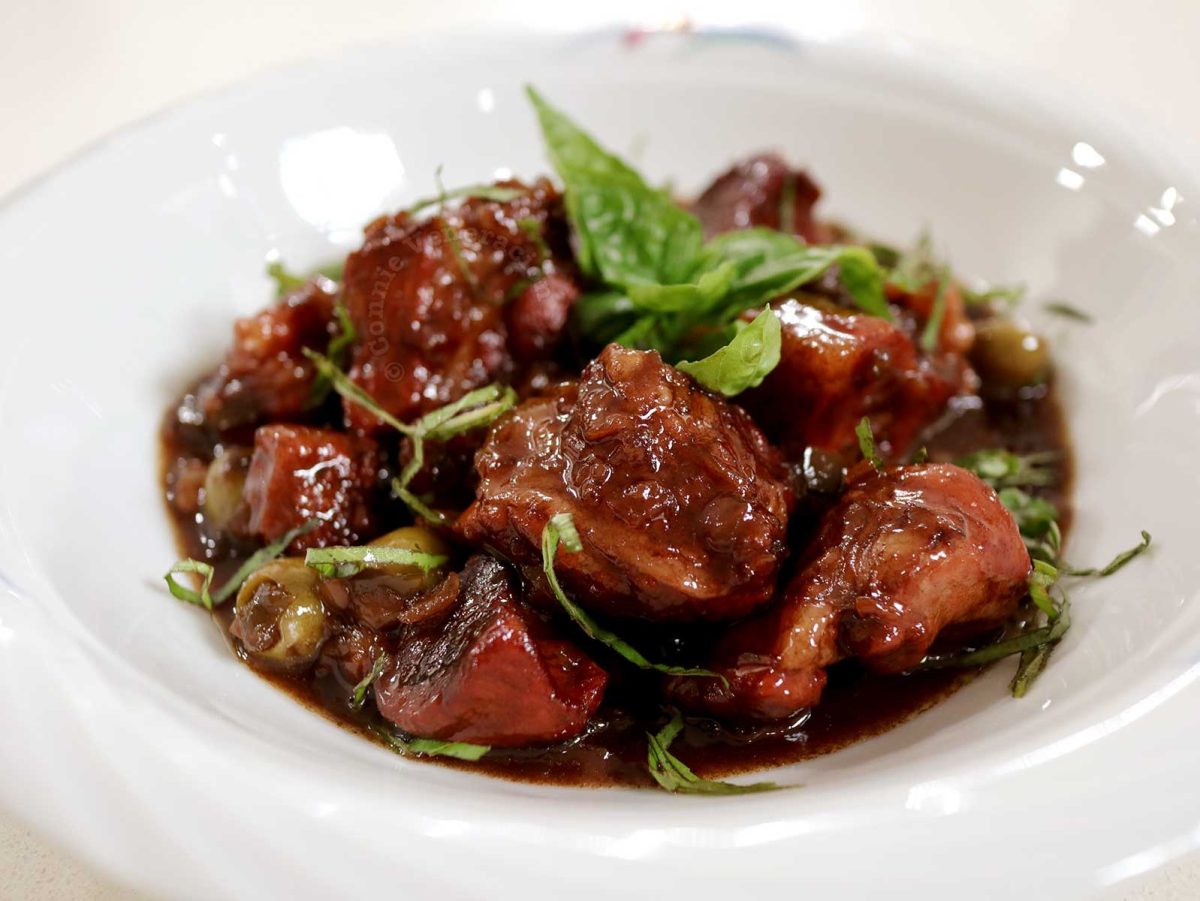
Baby back ribs are generally leaner than spare ribs. Meatier too. Thick lean meat is less appealing to me than meat, even when not as thick, marbled with fat. Only on rare instances when baby back ribs have a generous amount of fat do I feel confident enough to grill or roast them. I do, however, find baby back ribs good for braised dishes.
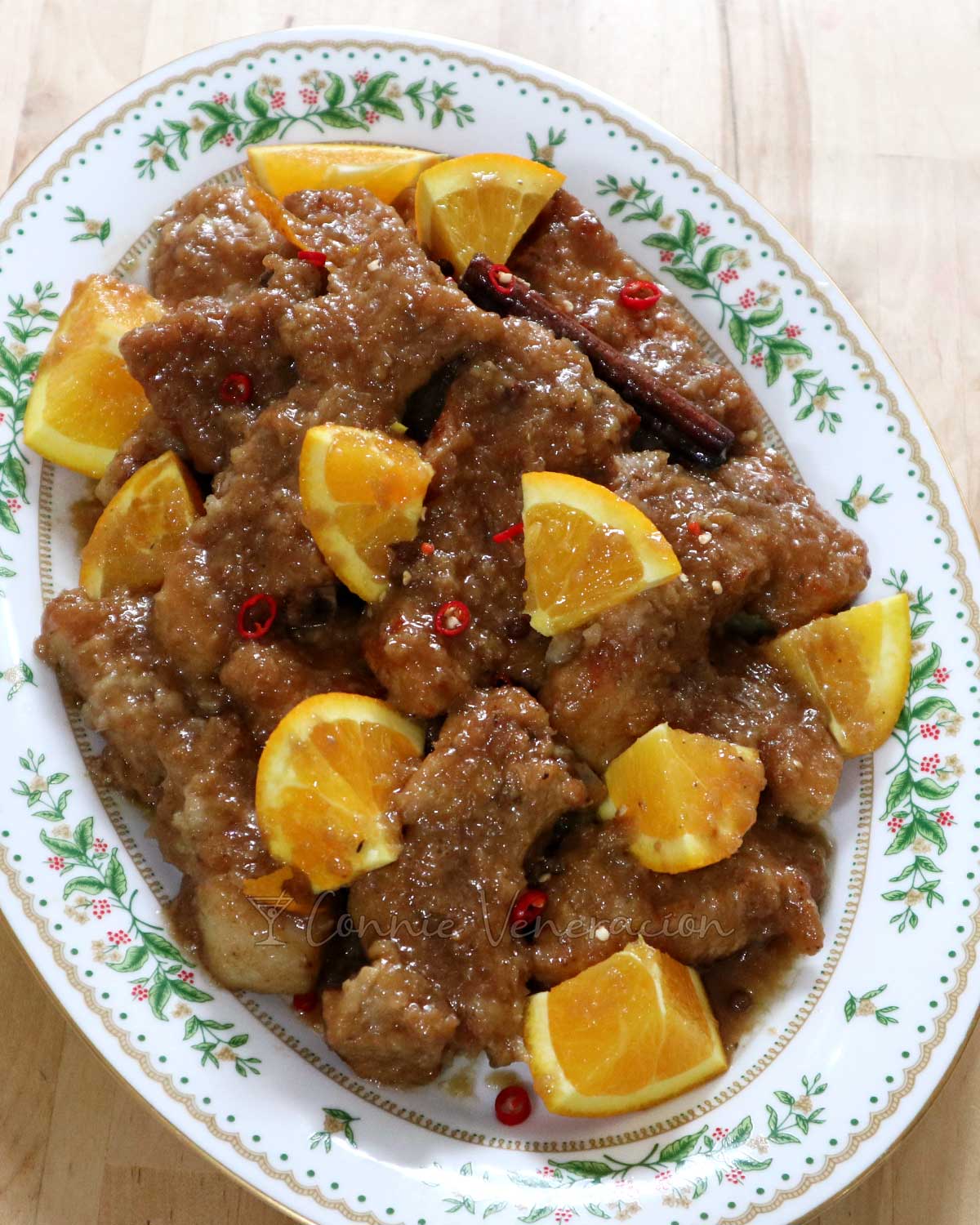
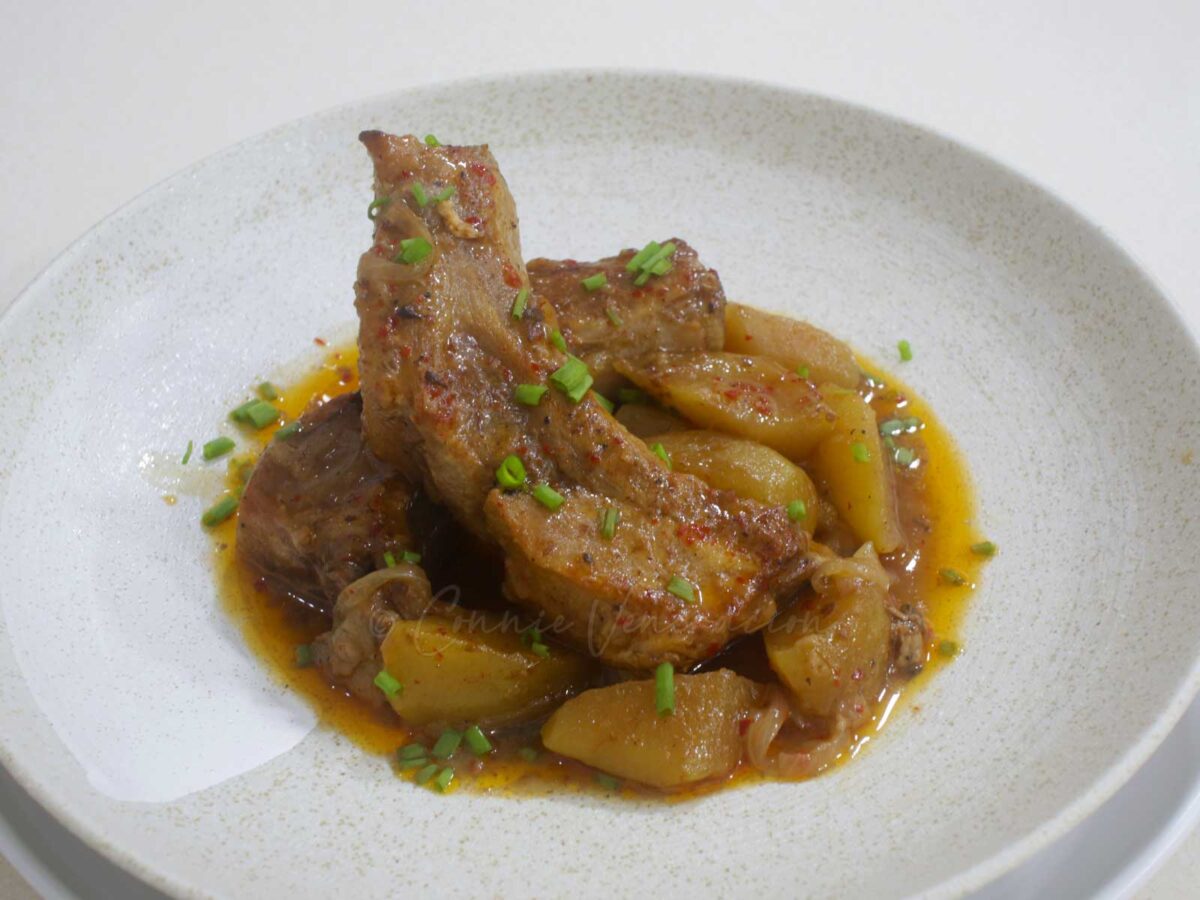
Why do baby back ribs have less fat than spare ribs? Aren’t they cut from the same part of the pig? Not exactly.
Baby back ribs
First of all, the “baby” in baby back ribs doesn’t refer to a young animal. This pork cut has earned that name because, in comparison, the bones are shorter than those of spare ribs.
The difference in the length of the bones has to do with the part of the animal from which the ribs are taken. Baby back ribs are cut from the top part of the rib cage where the ribs and spine meet.
Often, the loin is cut off from the ribs and sold separately as pork loin (not to be confused with pork tenderloin). In some cases, however, the loin is not removed and sold as part of the ribs. An example.
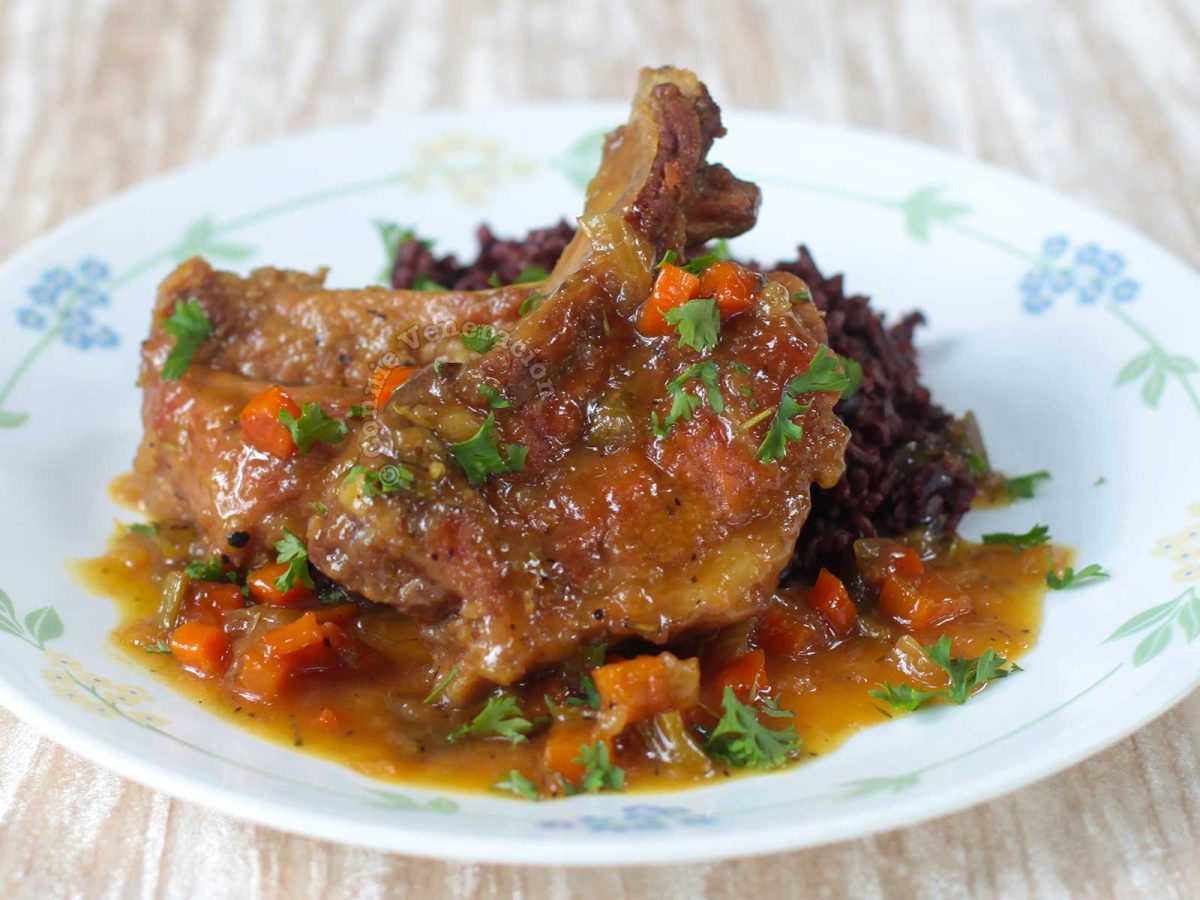
In the meat shop, this cut of baby back ribs with the loin attached is called pork rib chops (it may go by some other name in your part of the world).
Spare ribs
On the other hand, spare ribs are cut lower down the rib cage — the part that is attached to the belly. The bones are longer, there is less meat but the marbling is superb.

Sometimes, the ribs are sold with the belly attached. The cut is called pork belly ribs. For grilling or roasting, I find them to be the perfect choice.
More pork rib cuts
In Asia, pork spare ribs are not always sold with long bones. Sometimes, each bone is cut into shorter pieces so it’s easier to pick them up with chopsticks. They’re still spare ribs but the cut is not ideal for the grill.

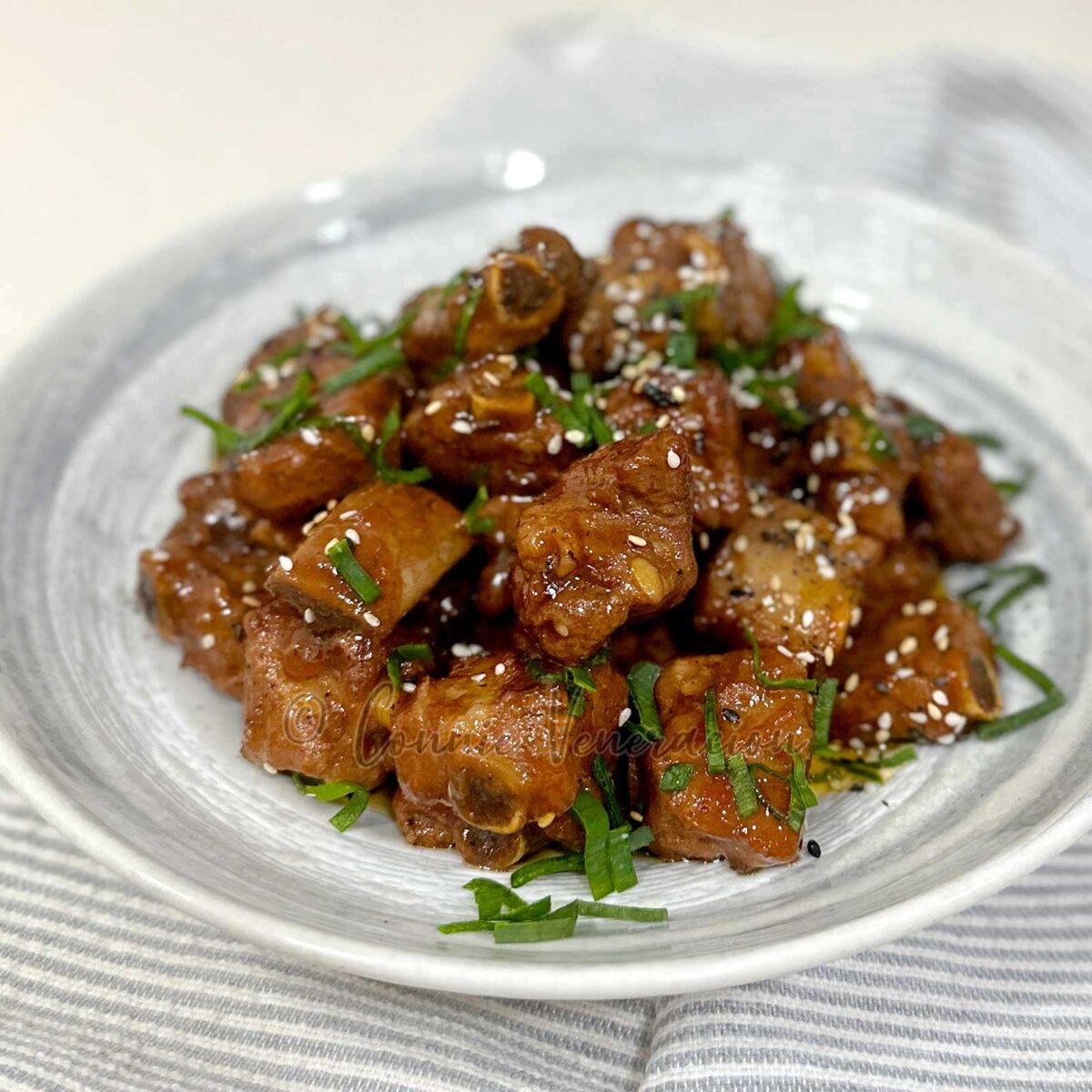
In the Philippines, the part of the rib cage with heavier and denser bones and less meat is sold as ribs too.

This cut isn’t any good for roasting or grilling but perfect for soup dishes.
So, they next time you find good pork ribs in the grocery or market and it’s taking you a while to decide exactly which ribs you should get, the answer lies in how you intend to cook them.