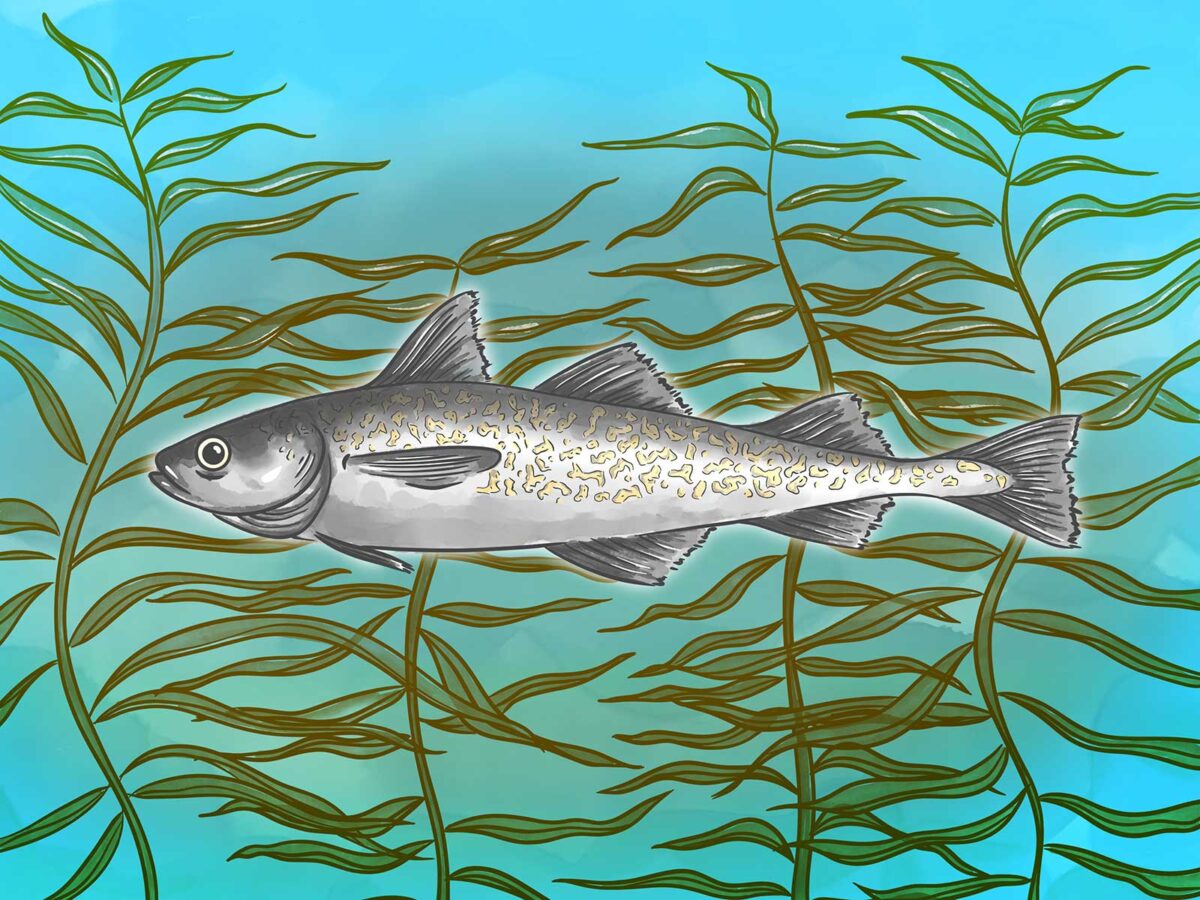
Pollocks and cods belong to different genera. Pollocks are members of the genus Pollachius but what is sold as Alaska or walleye pollock belong to the genus Gadus commonly known as cods.
Who gave the fish the wrong name? Well, scientists and traders both. Back in the 1950s, scientists thought that what we call Alaska pollock rightly belonged to its own genus. Alaska pollock and walleye pollock became common trade names for the fish.
But, in 2008, scientists said they more closely resemble the cod so the fish was reclassified as belonging to the genus Gadus. Easy enough to change a fish’s name in textbooks, and scientific and official documents, but habitual usage is trickier. To this day, the fish is still sold as Alaska pollock or walleye pollock. There are moves though to have the misleading trade names changed.
We home cooks aren’t really expected to memorize the scientific names of all the animals and plants that go into our meals. We know them by what they are called in the markets, groceries, meat shops and vegetable stores. If you’ve had Alaska pollock before and you enjoyed it, and you want to cook the fish again, you go to the grocery and look for Alaska pollock, but you can’t find it because it has a new name. The store manager points to a pack of fish fillets with a different name and tells you that is the new name for Alaska pollock. Would you readily believe the manager or would you leave the store without buying the fish?
Why did I buy Alaska pollock to begin with?
The price. It’s inexpensive. Less than half the price of other fish fillets that we often eat at home. I’ve never tried cooking Alaska pollock before but the frozen fillets looked good and I could think of so many ways to cook them. So, I bought a kilogram which I later repacked into two equal portions.
What didn’t I like about Alaska pollock?
The first portion of my Alaska pollock was cooked into fish and chips. The fillets were easy to handle and the cooking went without a hitch. But, on the dining table, there was less satisfaction. The fish tasted so bland! And underneath the crispy coating that crackled with every bite, there was no distinct fish texture.
I’ll sum up the experience: You’re eating and you know fully well it’s fish but your mouth can’t locate the fish flavor and texture. You have this need to reassure yourself that there is fish there by peeling off the batter to expose the fish fillet. And then, the panic attack recedes (still, throughout the meal, I was thinking about what to do the with second portion of Alaska pollock fillets in the freezer).
The following day, I thawed the fillets and prepared to cook them. There were two issues I needed to address: texture and flavor. Lighter but crispier coating should take care of the texture (batter is too heavy for this fish) and a boldly-flavored dipping sauce would add delight to every mouthful.
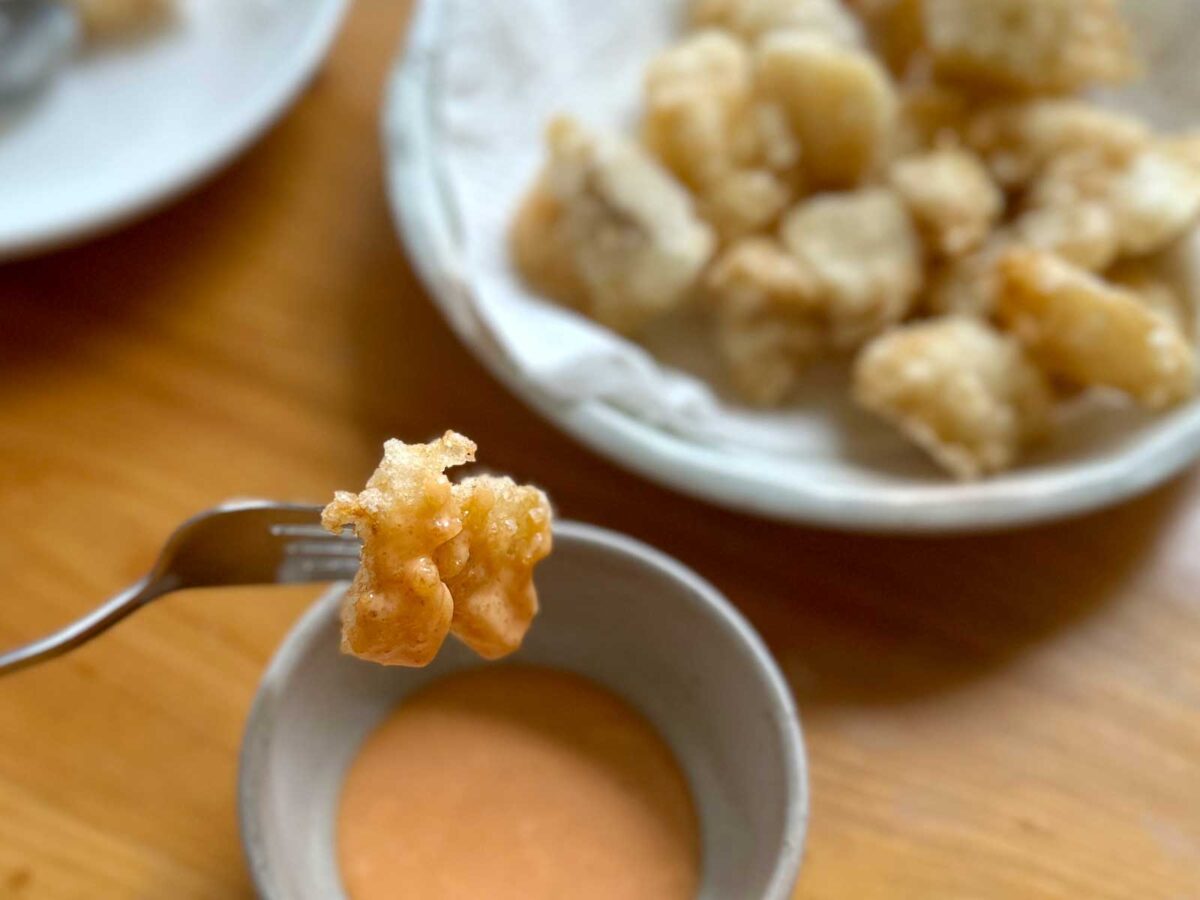
I cut the fillets into small pieces and cooked them chicken karaage style with American bang bang sauce for dipping.
If Alaska pollock is so mediocre, why is it so popular?
I have two guesses.
First, the price. Alaska pollock is cheap because it is plentiful. The fish is caught in the Northern Pacific from Alaska all the way to Japan where it is the main ingredient for making kanikama (imitation crab sticks). It is also the national fish of Korea.
Second, because there are people who prefer “mild” tasting and “mild” smelling white fish.
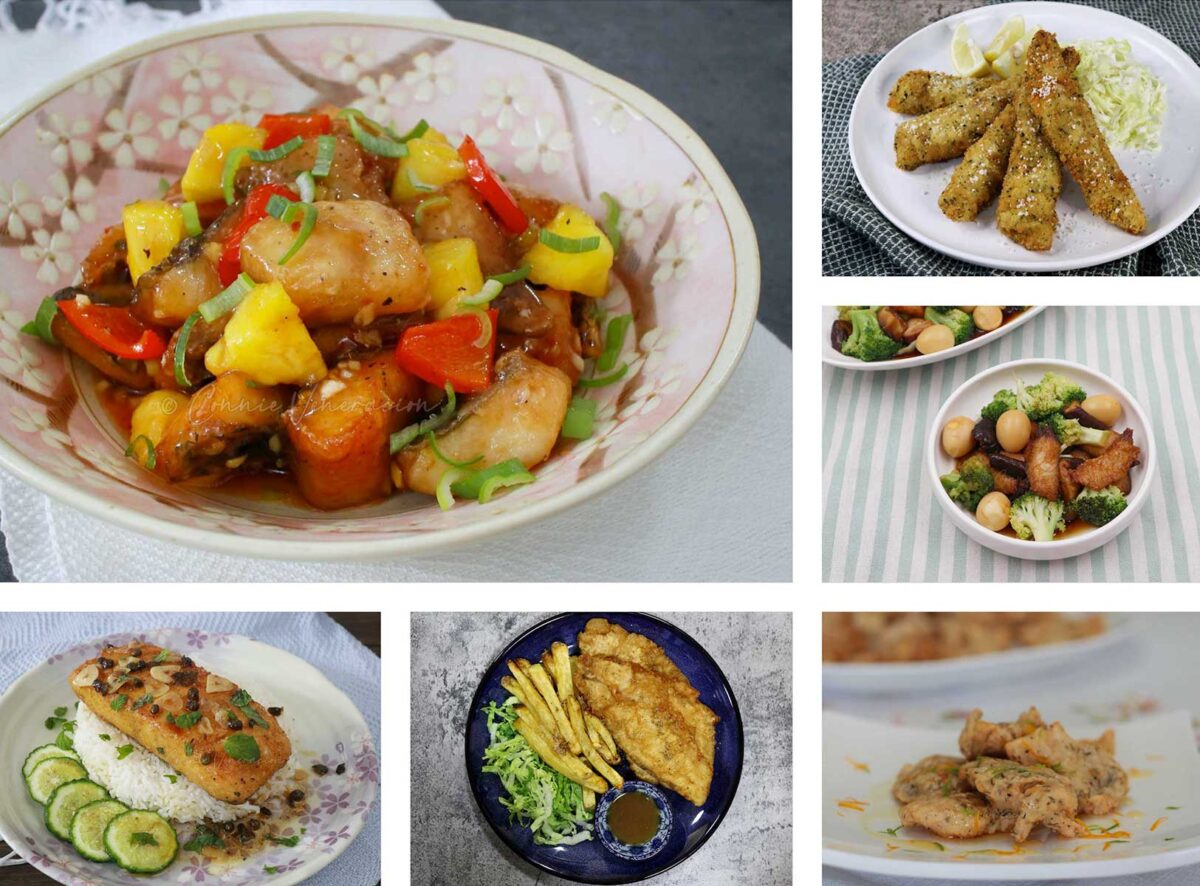
Personally, I don’t have any special preference for “mild” tasting and “mild” smelling white fish, so I’ll stay away from Alaska (walleye) pollock. But I do love fried fish fillet dishes and here are some of them.