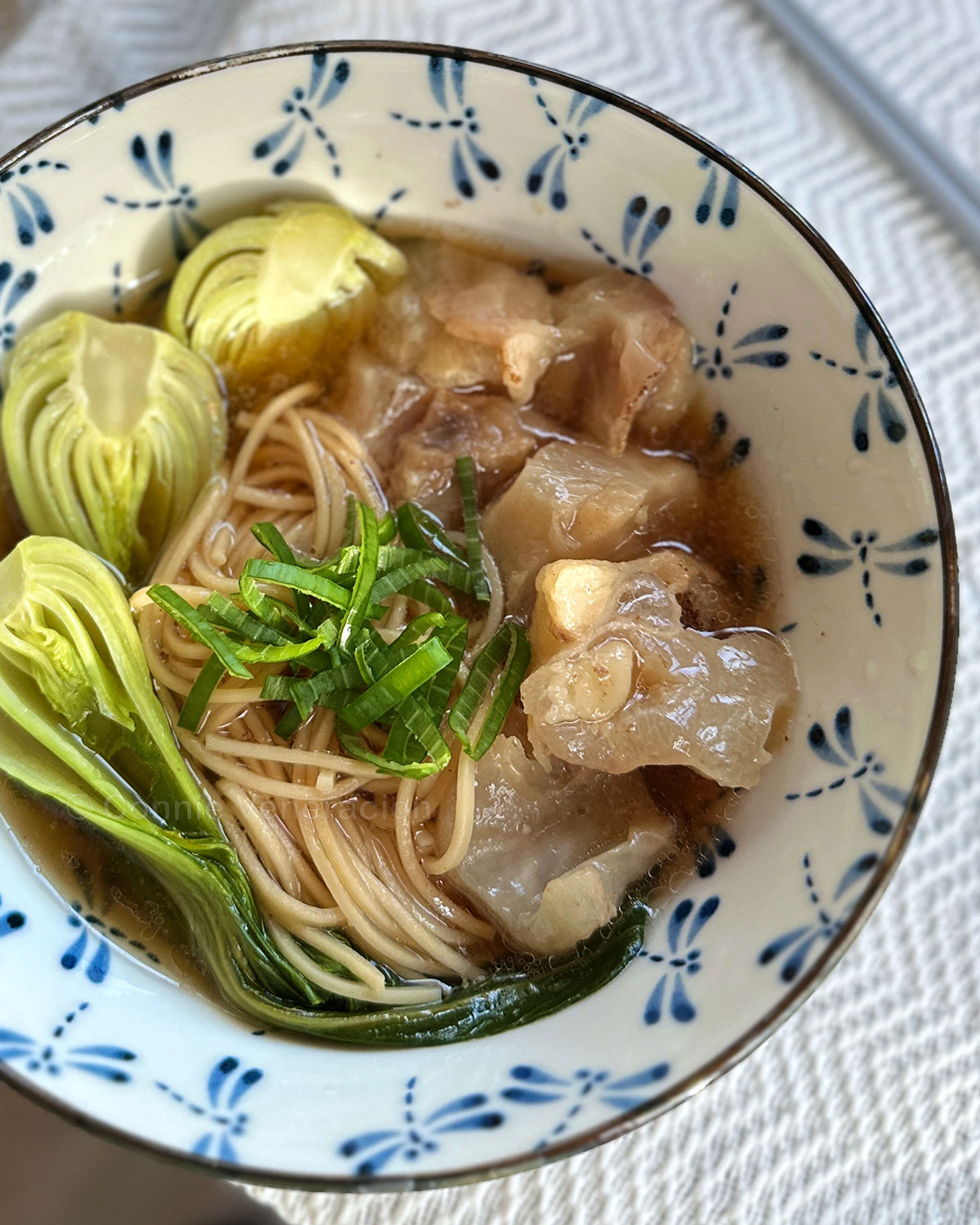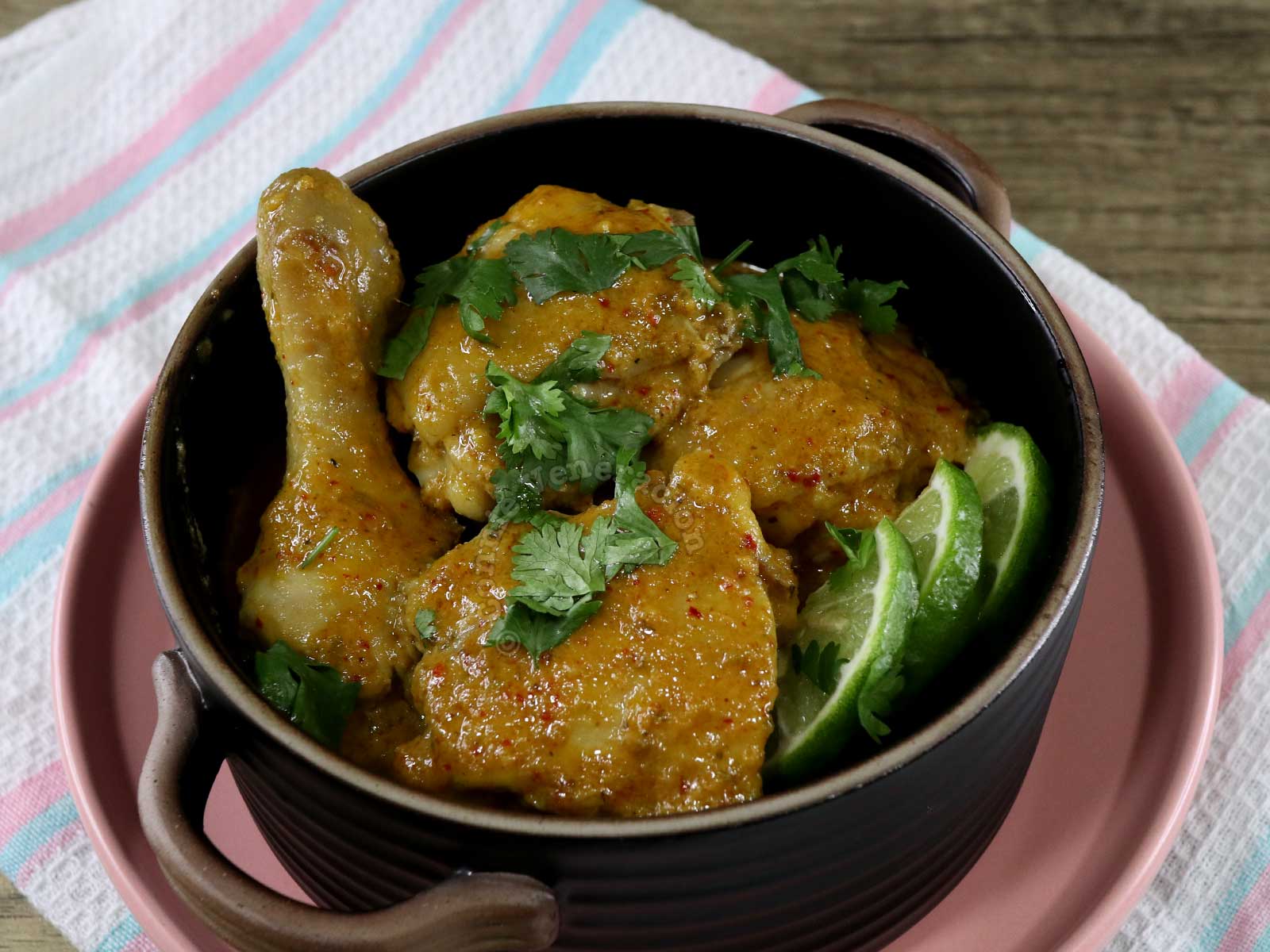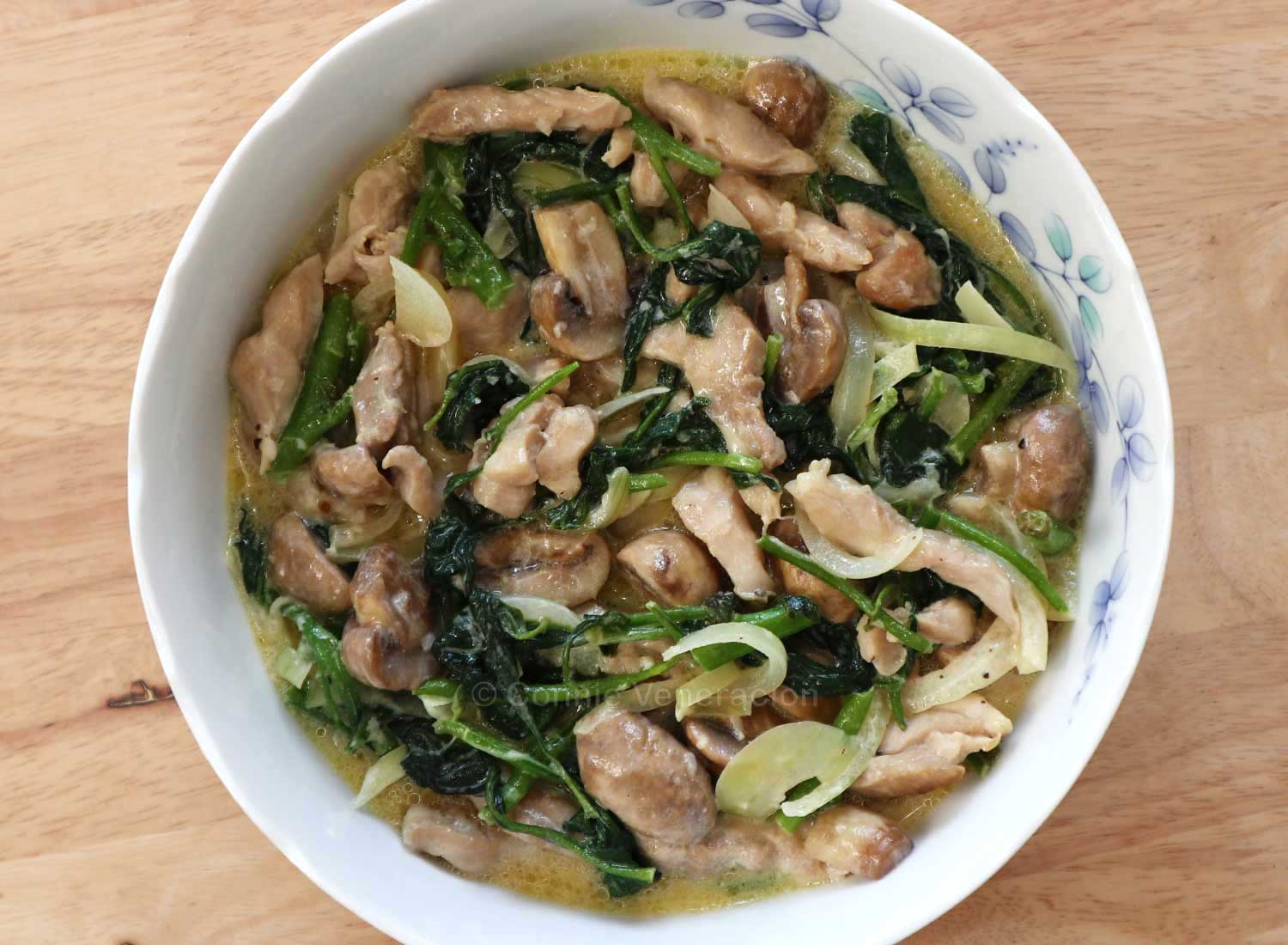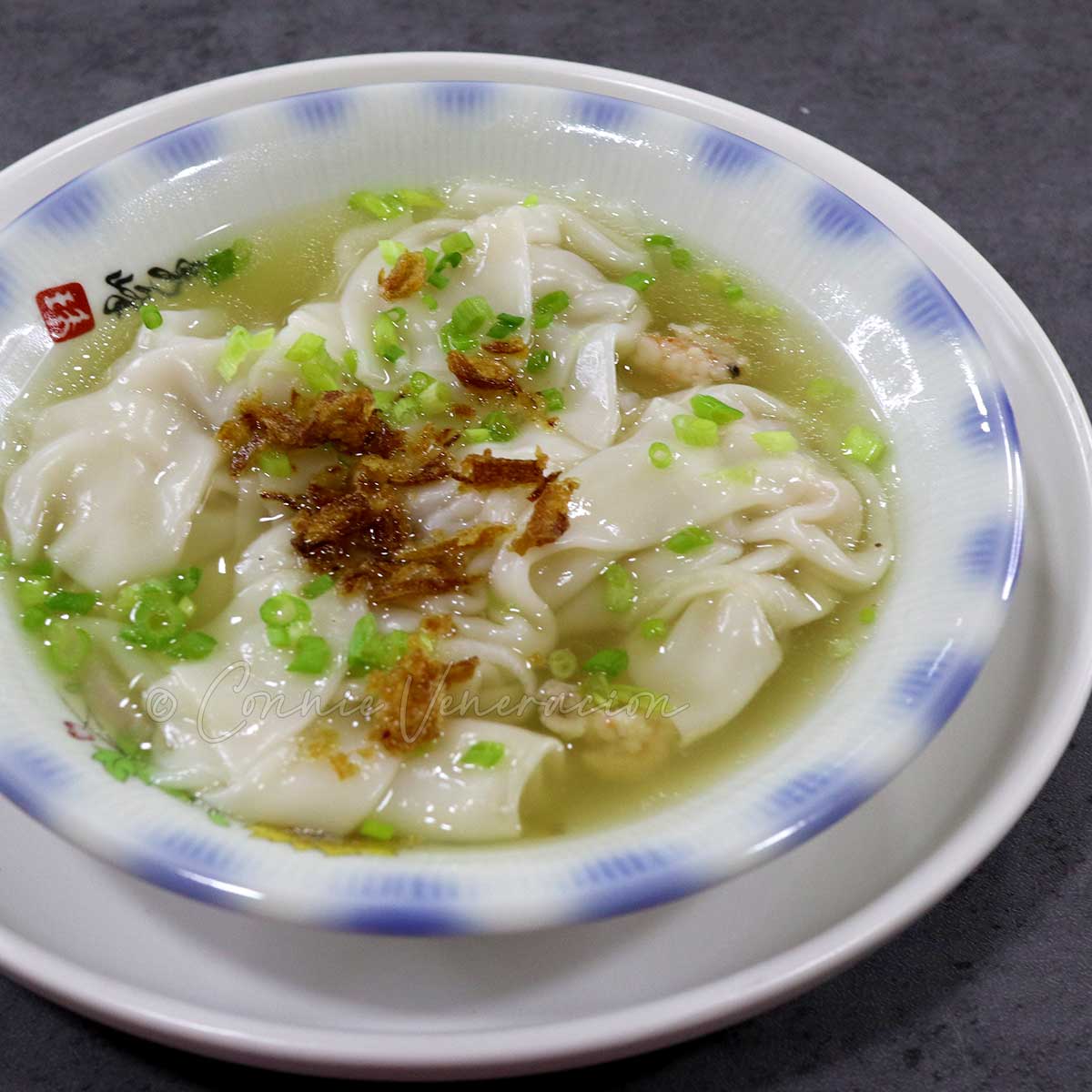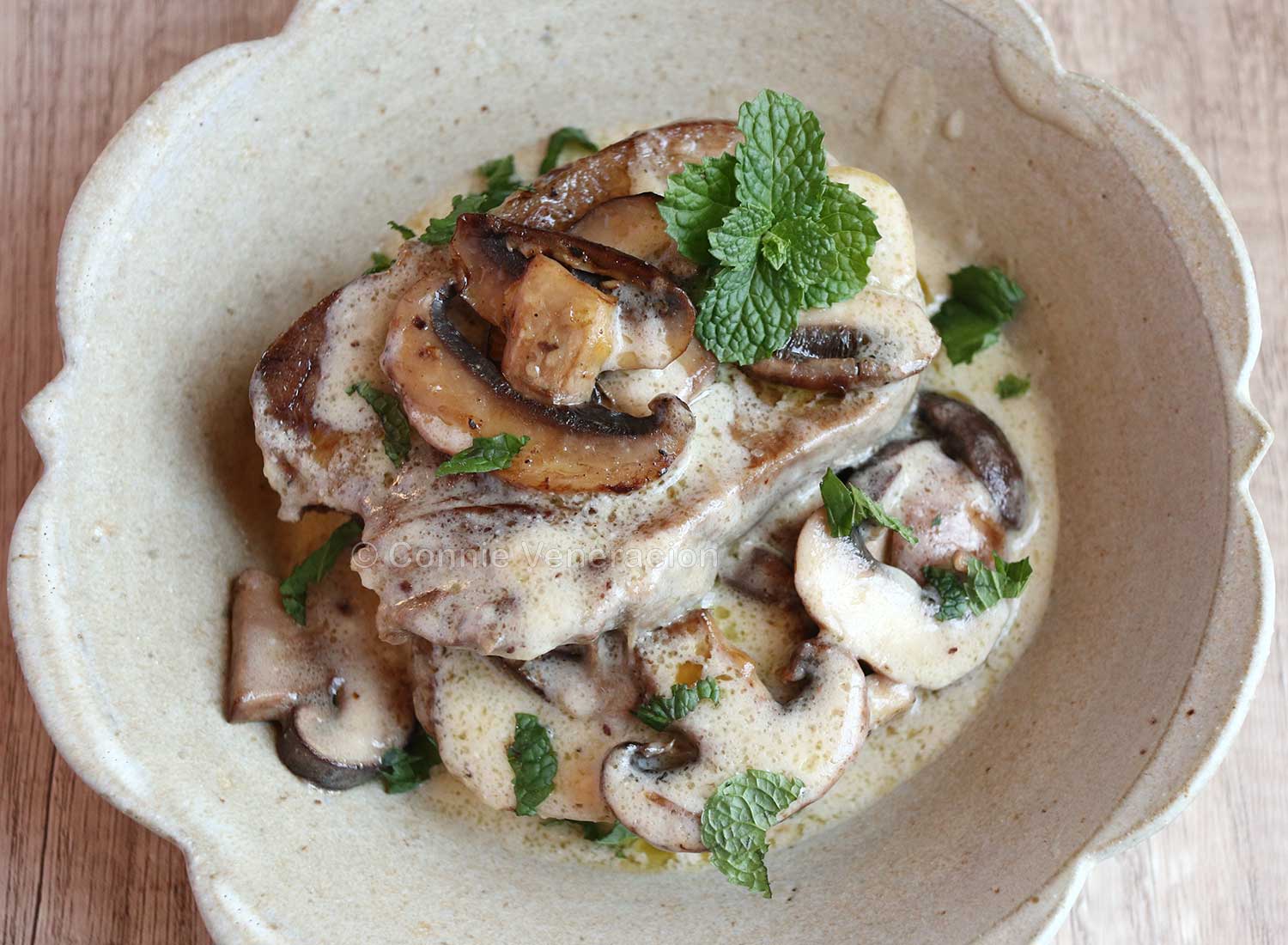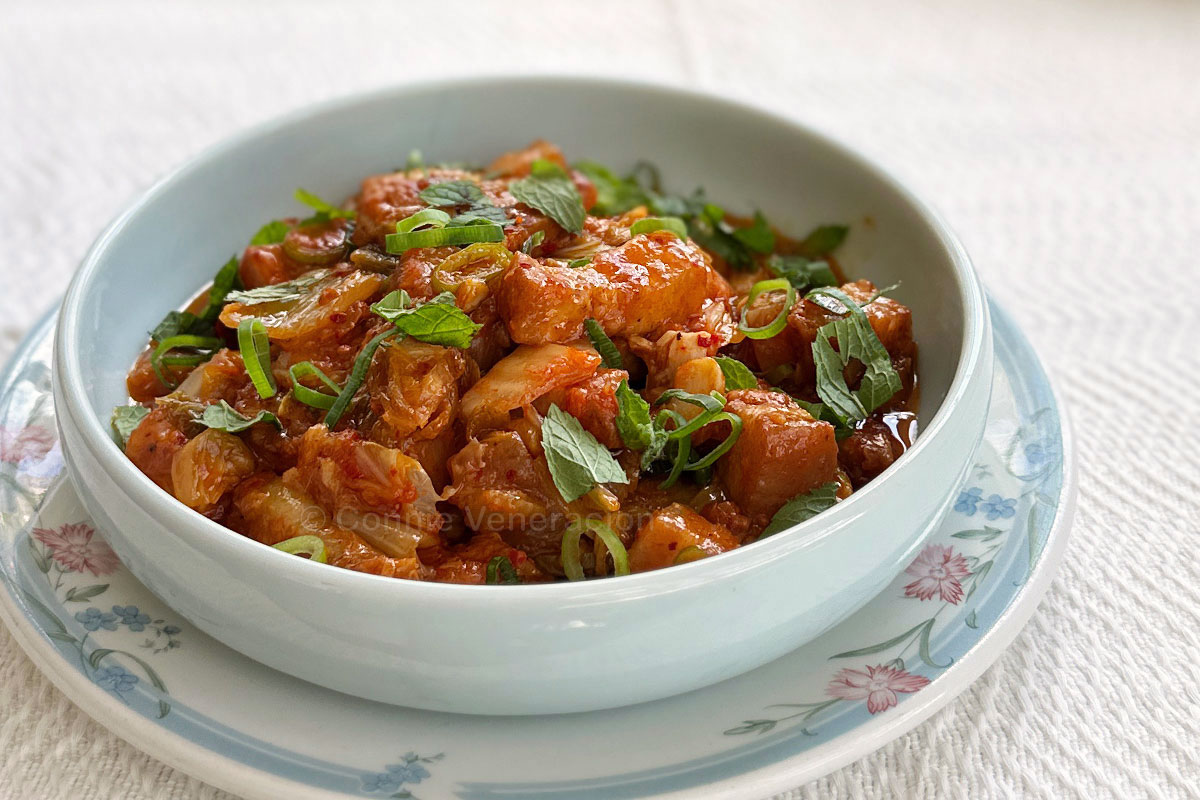
In Asia, food bowls are part of the culture. I’ll go out on a limb and say that it’s because it is easier to eat from a bowl than from a plate when you’re using chopsticks.
Asian food bowls
Rice bowls and noodle bowls are complete meals you’ll find in just about every Asian country. They’re not always the prettiest dishes you’ll see but every morsel in a traditional Asian food bowl is an integral part of the overall flavor and texture of the dish. And each bowl is sized to provide a filling meal.
The world of Asian food bowls is a vast one. And, for creative cooks, it can be a blank canvas. The not-so-pretty traditional food bowl dishes can be modernized without losing touch with the essence of their ancestors. And I thought… Why not create a blog dedicated to food bowls? Even without thinking hard, I immediately came up with two dozen recipes.
Western food bowls
I was checking out the “competition” for “food bowls” (food blogging has become a very crowded arena and one has to stand out to survive, after all) and I noticed something odd when I did a Google image search. I was staring at dozens and dozens of the kind of food bowls that’s all the rage today. Western-style food bowls. Visually exciting, if that’s how your brain is wired. Instagrammable, by today’s standards.
This food bowl trend echoes across blogs all the way from America to the United Kingdom to Australia.
Being Asian, the food bowls looked strange. For starters, many of them aren’t so much about reasonable portions but, rather, about how much can be stuffed into a bowl without anything falling off. And, in many cases, the bowls look like serving bowls rather than single-serve bowls.
Secondly, as I scrutinized the hodgepodge of ingredients, I wondered about the combinations. Were the ingredients chosen because they taste good together or because they look good in photos?
When I checked out the recipes that went with some the photos, well… Just as an example, there’s this food blog that claims that you can “roast just about any veggie, use any number of toppings and it’ll taste amazing” so long as you pour peanut sauce (a Westernized and watered down satay sauce based on the recipe) over everything.
(Oh, come on. A real cook knows that not all vegetable combinations work. And you can’t mask the disparate flavors of the vegetables by drowning them in sauce.)
Surely, these Western creations couldn’t have been inspired by anything out of Asia. Well, except for the use of bowls. Why Westerners would prefer bowls over plates when they don’t use chopsticks was something of a mystery until I backtracked, and came across references to the Buddha bowl and its predecessors.
Buddha bowls
Apparently, today’s trendy Western food bowls trace their origin to the Buddha bowl, the earliest reference to which has been attributed to Martha Stewart in a book published in 2013.
“With whole grains, plant proteins, and vegetables, this is the ideal vegan one-bowl dish,” claim the editors.
“Why Do We Keep Calling Things Buddha Bowls?” in Healthyish
That’s right. Despite the reference to an Asian religious leader, Buddha bowls are unrelated to Buddha and his teachings.
In the same linked article, I also found the answer to an earlier question as to whether food bowl ingredients are chosen because they taste good together or because they look good together. With Buddha bowls, it’s the latter. It’s about optics justified by some murky claim that “The more varied the color in the food that you eat, the more nutrients you’re getting.”
Hippie bowls
According to The Veganary, while Martha Stewart may have been the first to coin the term Buddha Bowl, it has been around longer. Hippie Bowls, Macro Bowls or just plain Grain Bowls were appellations they went by over the years.
My Just One Bowl project
So, after discovering that the food bowl trend has very little to do with the food bowl recipes I had in mind, will I still push through with my project? The truth is, it already exists. The question is whether I want to put all that in a standalone blog. I haven’t decided yet.